
Review · COOKING CLASSES
Antigua: Cooking Class with Local Family
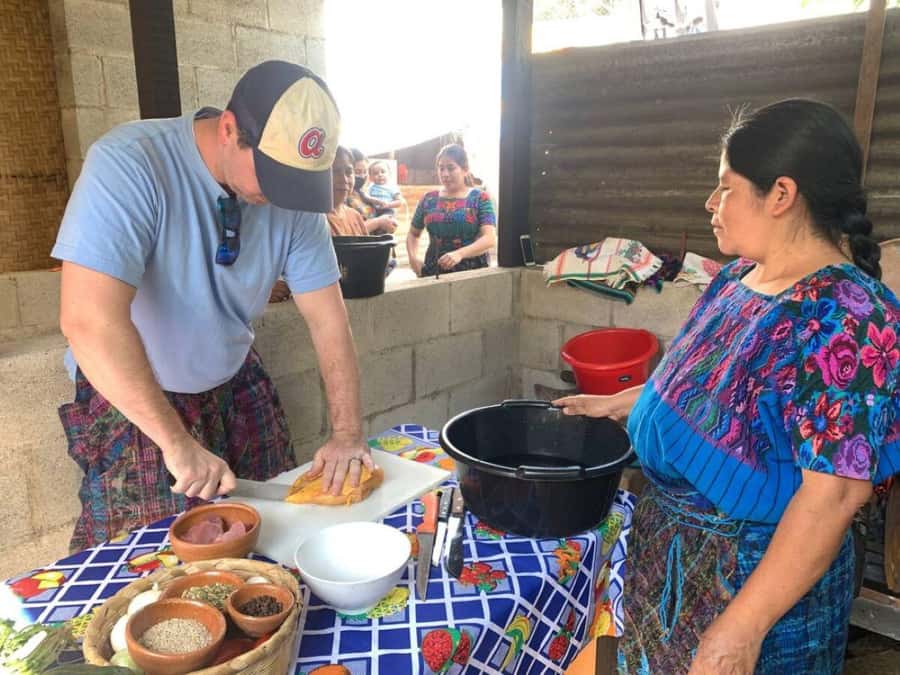
The best recipes begin with stone. This four-hour Antigua cooking class puts you beside a Guatemalan family, where you grind corn, seeds, and spices by hand with an ancient pedernal stone. I like the hands-on work and the chance to learn dishes such as Pepián or Jocón in a real family setting. The one catch: menus and stops can vary, so tell the operator about allergies or dietary needs before you go.
The experience costs $75 per person and includes ingredients, transportation, snacks, bottled water, and a local guide. Maritza has hosted several sessions, sometimes meeting participants at their hotel, stopping at a market, and taking a chicken bus or tuk-tuk to her home. That adds local flavor, though the transport and market visit should not be treated as guaranteed parts of every booking.
In This Review
- Key points at a glance
- Starting with a market and a local welcome
- The pedernal stone changes the lesson
- Cooking Pepián, Jocón, Kak’ik, or a vegetarian dish
- Making tortillas by hand
- Eating the food you prepared
- Why the family setting matters
- Getting there and managing the four hours
- Is $75 a fair price?
- Who will enjoy this class most?
- Booking tips for a smoother day
- Should you book this Antigua cooking class?
- FAQ
- How long does the cooking class last?
- How much does the experience cost?
- Which dishes might I prepare?
- Is a vegetarian option available?
- Can food allergies and dietary restrictions be accommodated?
- Is transportation included?
- Is the activity wheelchair accessible?
- Can I cancel for a full refund?
Key points at a glance
- Grind ingredients with a pedernal stone: You do the work by hand, using a tool tied to Mayan food traditions stretching back more than 4,000 years.
- Cook inside a local family setting: The lesson is built around shared preparation and a meal, not a restaurant demonstration.
- Choose from classic Guatemalan dishes: The menu may include Pepián, Jocón, Kak’ik, or a vegetarian preparation.
- Make tortillas yourself: Tortilla shaping can be one of the most enjoyable practical parts of the class.
- Keep the recipes: You learn methods you can repeat at home, not just a meal you eat once.
- Small and private format: Groups are limited to 10, and the activity is described as private for your party.
Starting with a market and a local welcome
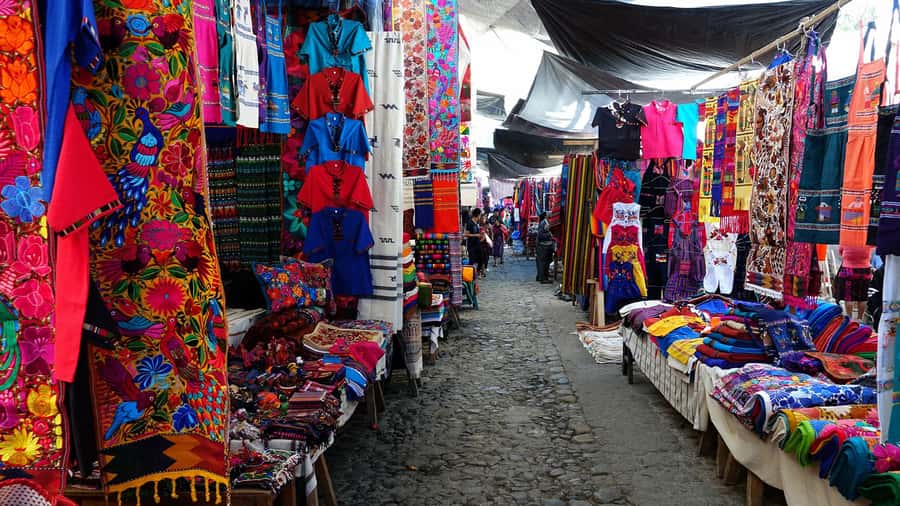
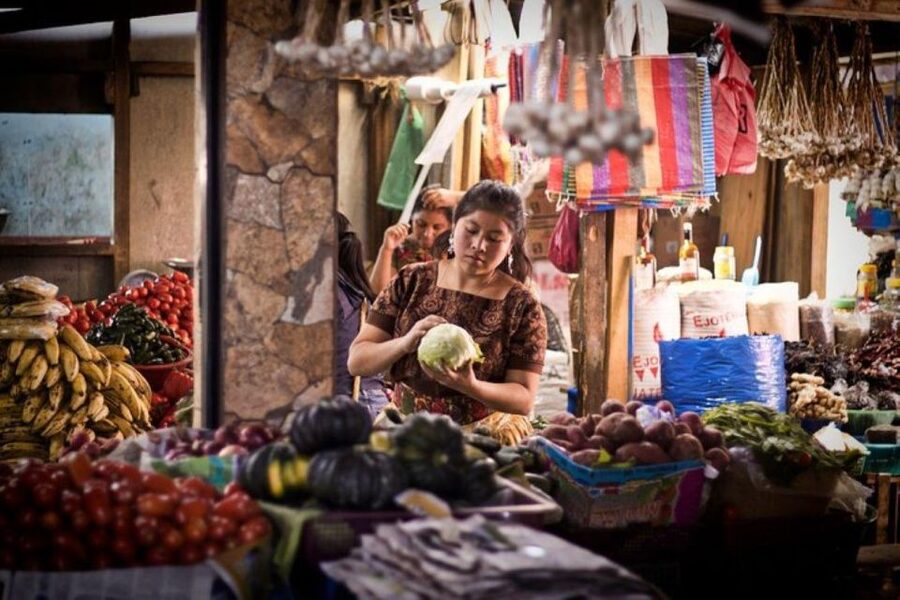
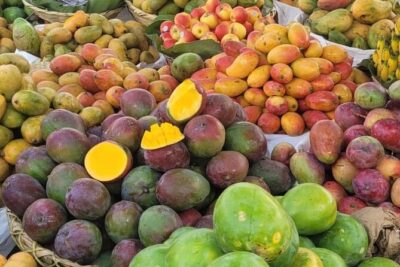
The exact opening may depend on your host, but Maritza’s version begins outside the hotel. She meets you there, then heads to a market to buy fresh products for the meal. This is a useful start because food shopping shows you the ingredients before they become a finished dish.
A market stop also gives the class a stronger connection to daily life in Guatemala. You are not simply handed a tray of premeasured items. You may see the fresh produce and other products that shape the meal, then carry those ingredients into the family kitchen.
Do keep one practical point in mind: the market visit appears in individual arrangements rather than as a clearly fixed promise for every session. Ask at booking if this part matters to you.
Transportation can also be part of the local experience. Maritza has taken participants by chicken bus and tuk-tuk to her home, then returned them to their hotel by tuk-tuk after lunch. These are ordinary local forms of transport, not polished tourist vehicles. That can make the outing feel more personal, but you may prefer to confirm the transport plan if comfort or mobility is a concern.
Private transportation is included, and the activity is wheelchair accessible. Since the specific vehicle and home setup are not described in detail, share any physical restrictions before the day begins.
More Cooking Classes in Antigua Guatemala
- Authentic Guatemalan Cooking Class in Antigua
★ 5.0 · 438 reviews - Guatemalan Cooking Class & Market Tour
★ 5.0 · 213 reviews - Guatemalan Cooking Class and Market Tour
★ 5.0 · 145 reviews
The pedernal stone changes the lesson
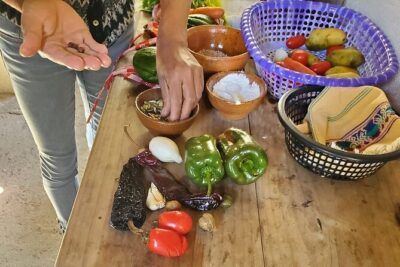
The central act is grinding. You work corn, seeds, and spices by hand with a pedernal stone, an ancient tool connected with Mayan food preparation. This is not a quick trick for a photograph. It takes effort, and that effort helps you understand how much labor sits behind a sauce that may seem simple on the plate.
For me, this is the strongest reason to choose the class. A cooking lesson can easily become a list of ingredients and instructions. Here, the tool gives the food a physical story. You feel the pressure needed to crush the ingredients, see how they change, and learn why traditional cooking depends on patience.
The class presents this practice as a living tradition still used by local communities. That matters. You are not only looking at an old object in a museum. You are using a heritage utensil for its original purpose, with a family member showing you how it fits into the cooking process.
The work may be tiring for some people, especially if you have limited hand strength or physical restrictions. The session lasts four hours, so this is best approached as active participation rather than a demonstration where you sit back and watch.
Cooking Pepián, Jocón, Kak’ik, or a vegetarian dish
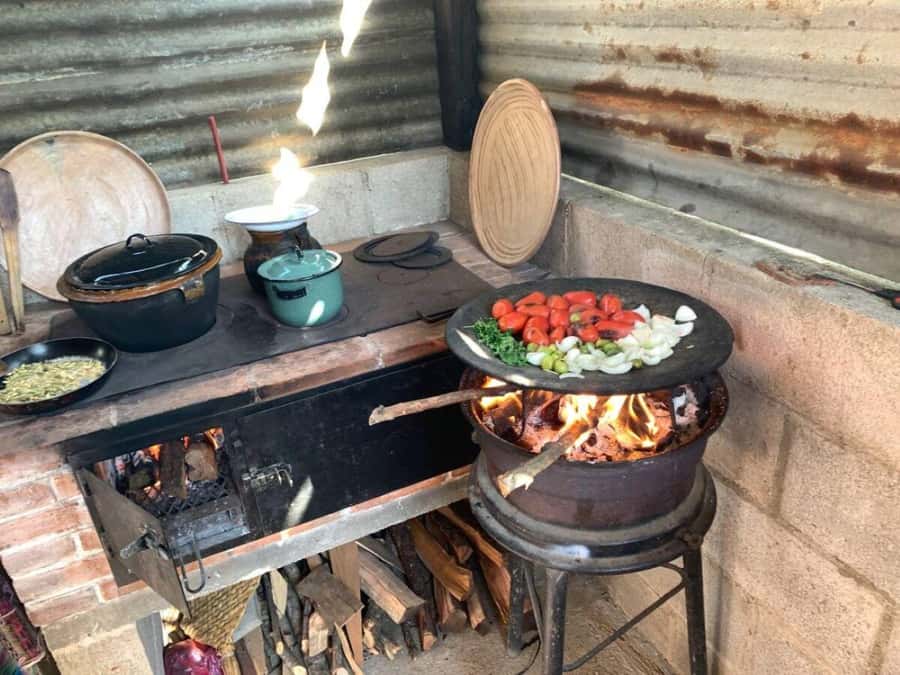
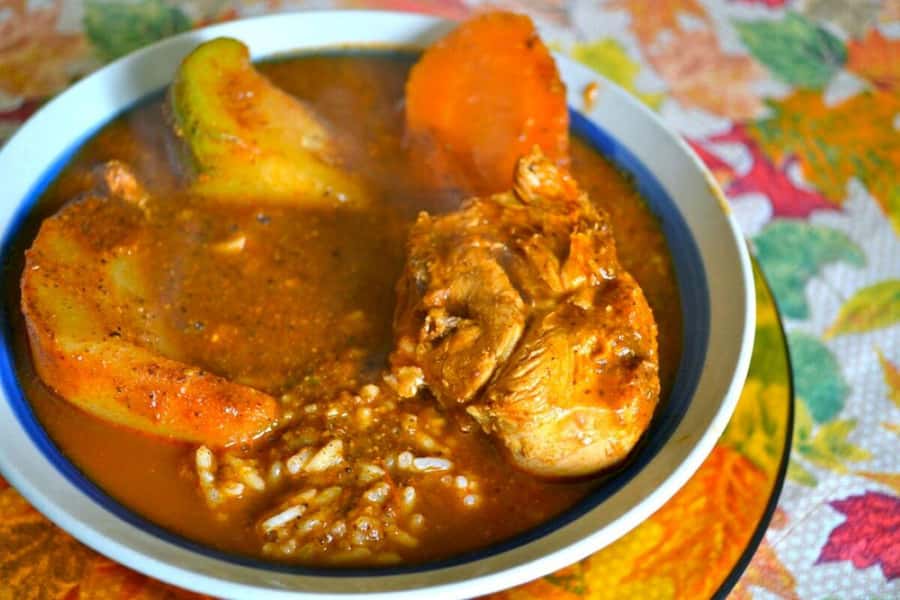
The menu can include several well-known Guatemalan dishes. Pepián is one of the dishes prepared in Maritza’s class, and it is a particularly good match for the stone-grinding work because seeds and spices are central to the preparation.
Jocón and Kak’ik may also be offered, depending on the host, region, ingredients, and season. The menu is not presented as a fixed restaurant order. It can change according to the country’s regions and special seasons, so you should ask what is planned if you have your heart set on one dish.
A vegetarian option is available. You still need to give advance notice about food allergies, dietary restrictions, or medical concerns. The operator says the menu can be adapted for special needs and offers a special infant menu, but last-minute requests may be harder to manage in a family kitchen.
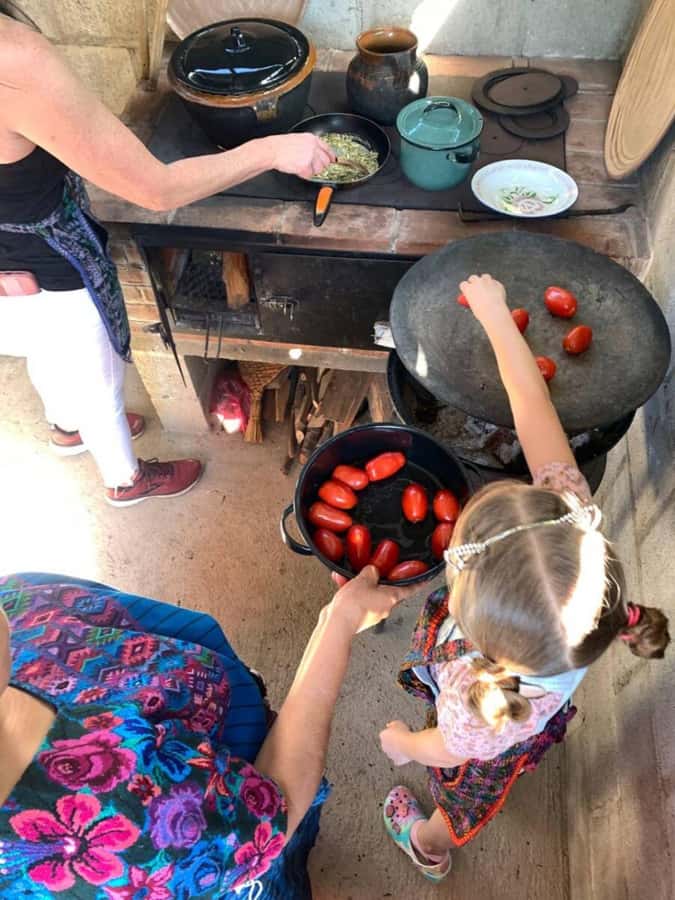
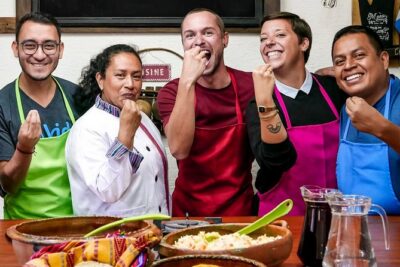
The cooking is done alongside your host and family. You learn techniques as you prepare the food, rather than watching a chef perform every step. This style is good for curious cooks who want to understand the process and ask questions as they go.
English and Spanish guiding are available. If you speak Spanish, you may find extra ease in the kitchen, but English support is offered for those who do not.
Making tortillas by hand
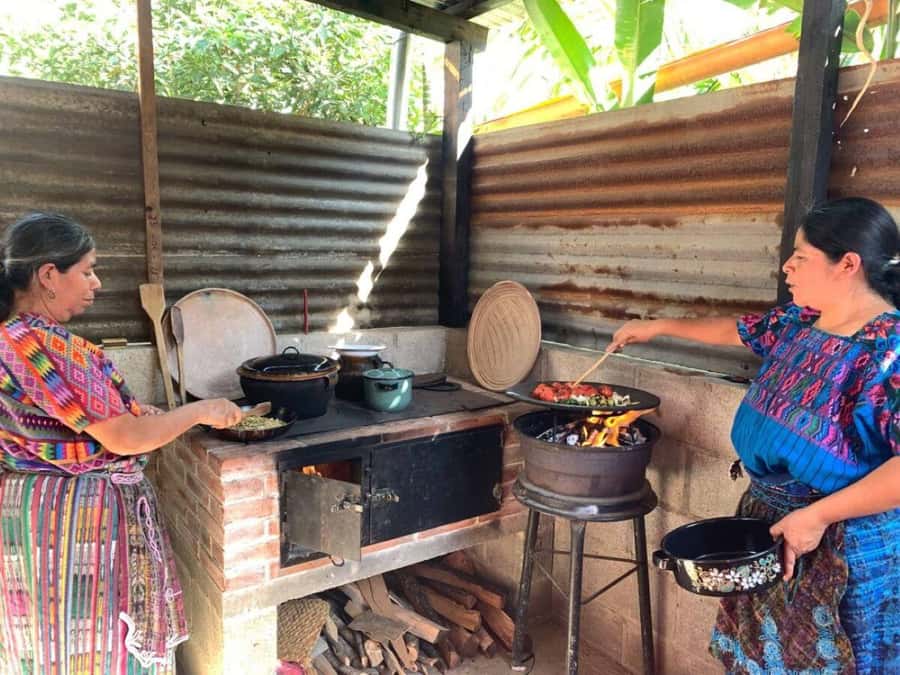
Tortilla making adds a simple but memorable task to the class. You shape the dough yourself and learn how much pressure and movement it takes to form a tortilla. It is the sort of job that looks easy until your first one comes out uneven.
That is part of the fun. The point is not to produce perfect circles on your first attempt. It is to connect the meal with a basic skill that many Guatemalan cooks use routinely.
Maritza’s sessions have included tortilla making after the main cooking began. The tortillas help turn the meal into a full shared lunch rather than a single prepared dish. If you enjoy practical lessons, this may be the part you talk about most afterward.
The meal may also include small extras such as homemade chips with beans and queso, snacks, and Jamaica, also known as hibiscus tea. These items are included when provided by the host, but the exact snacks can vary with the menu.
More Workshops and Classes in Antigua Guatemala
- Bean-to-Bar Chocolate Workshop in ChocoMuseo Antigua
★ 5.0 · 353 reviews - Make your own Mayan Pepian – Cooking class
★ 5.0 · 39 reviews - Cooking class and market tour/Pepian Workshop
★ 5.0 · 33 reviews - Two Hours Private Backstrap Weaving Workshop in Antigua
★ 5.0 · 27 reviews
Eating the food you prepared
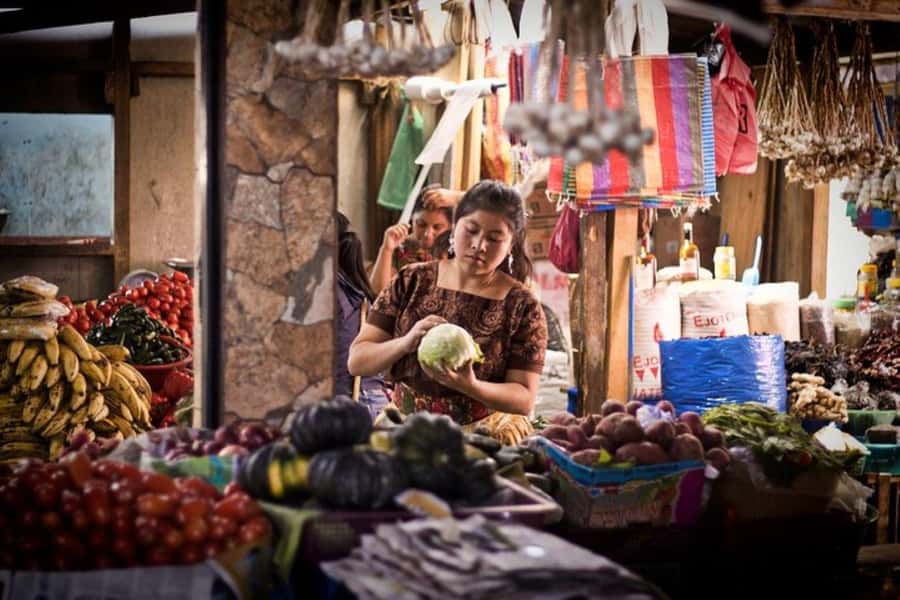
After the work comes lunch. You eat the dish you helped prepare, along with any accompanying items arranged by the family. This is where the four-hour format earns its keep. You have enough time to shop or travel locally when arranged, prepare food, sit down, and enjoy the result without rushing through a short demonstration.
Jamaica is a particularly nice touch. It gives you a chance to try a familiar Guatemalan drink alongside the meal, and the homemade chips, beans, and queso can make the welcome feel generous without turning the class into a formal restaurant service.
Expect a family meal, not a luxury dining room. The appeal is warmth, conversation, and the satisfaction of eating food made with your own hands. If you want polished presentation, a long wine pairing, or a professional culinary-school structure, this is not that kind of outing. Alcohol is not included.
Why the family setting matters
The class works because the cooking is tied to people, not just recipes. Your host shows you how the food fits into family life and local practice. The experience works with more than 10 families, so the exact personality of the day depends on who hosts your group.
That variety is both a benefit and a limitation. You receive a more personal meeting than you would in a large cooking studio, but you should not expect an identical script each time. One host may focus on a particular regional dish. Another may spend more time on tortillas, market shopping, or family traditions.
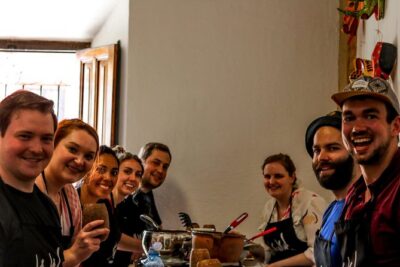
The activity is private for your group, with a limit of 10 participants. That makes it easier to ask questions and take part in the preparation. A group of 10 is still large enough to feel social, but a smaller party will likely get more direct time with the host around the cooking surface.
The family connection also supports the local economy. Your payment helps support the host family and the people involved in the activity, rather than only a large commercial venue. For many visitors, that local connection is worth more than a slightly cheaper cooking demonstration.
Getting there and managing the four hours
The class lasts four hours, and starting times depend on availability. Plan your day around it rather than trying to squeeze it between two tightly timed sightseeing stops.
Transportation is listed as included, and individual sessions have used hotel pickup, chicken buses, and tuk-tuks. Since the exact route is not specified, allow some flexibility around the start and finish. If you have a flight, timed entry, or another booking afterward, leave a generous buffer.
Bring an appetite and clothes you can work in. The information does not specify an apron or protective clothing, so it is sensible to avoid wearing anything precious. You will be handling ingredients and working with traditional tools.
The class is wheelchair accessible, but access inside a private home can differ from access at a purpose-built facility. Tell the operator about mobility needs in advance, along with any medical restrictions.
Fireworks are not allowed. That is an unusual rule for a cooking activity, but it is part of the stated conditions.
Is $75 a fair price?
At $75 per person, this is not the cheapest way to eat lunch in Antigua. It can be good value if you want a four-hour cultural activity, personal instruction, transportation, ingredients, snacks, and a meal in one package.
The price includes all fees and taxes, bottled water, snacks, private transportation, a local guide, and the ingredients used in the recipe. You are also paying for access to a family setting and for the chance to learn methods you can use later. That is a better deal for an active participant than for someone who only wants to sample Guatemalan food.
The value is strongest if you care about process. Grinding the spices, making tortillas, and preparing the sauce are the heart of the experience. If your main aim is simply to eat Pepián, you can do that for less at a restaurant.
The class also has free cancellation up to 24 hours before the start time, and you can reserve now and pay later. Those options help if your Antigua schedule is still shifting.
Who will enjoy this class most?
I would recommend it to you if you like small-scale cultural experiences and do not mind getting involved. It suits first-time cooks because the host guides the process, and it suits experienced cooks who want to learn a different food tradition.
It is also a strong choice for families, couples, and small private groups. Children may enjoy tortilla making and the hands-on work, while the special infant menu may help families with very young children. Confirm the menu and any practical needs ahead of time.
You should think twice if you dislike physical kitchen work, have severe food allergies that require a very controlled preparation area, or want a fixed menu with guaranteed dishes. The menu changes by season and region, and the family setting is more flexible than a professional culinary school.
You also need to be comfortable with a local, informal style. A chicken bus or tuk-tuk may be part of the day in some arrangements, and the class takes place with a family rather than in a slick cooking studio.
Booking tips for a smoother day
Send every dietary restriction and food allergy before booking is finalized. Do not rely on explaining it only when you arrive.
Ask which dish is planned, whether the market visit is included, and what transport will be used. These details have varied by host, and knowing them in advance helps you decide if the session fits your interests and physical needs.
If Pepián is your priority, request it early, but understand that seasonal ingredients or regional practices may affect the menu. If you prefer vegetarian food, say so clearly rather than assuming the standard dish will be changed automatically.
Finally, leave time after the class. You may want to return to the hotel, write down the recipe while it is fresh, or try to find the ingredients again in Antigua. The most useful souvenir here is not a trinket. It is the method you can repeat in your own kitchen.
Should you book this Antigua cooking class?
Book it if you want food with a human connection. The hand grinding, homemade tortillas, family meal, and chance to learn Pepián or another Guatemalan dish give the class real substance.
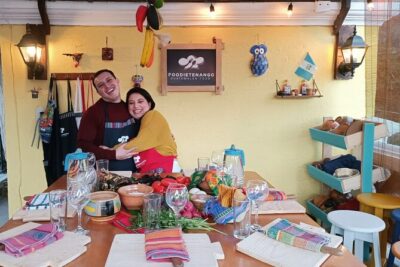
I especially like the combination of ancient technique and ordinary family hospitality. Maritza’s warm hosting, market shopping, Jamaica, homemade chips, and tuk-tuk rides show how personal the day can feel, though your host and exact route may differ.
Skip it if you want a predictable menu, a formal culinary lesson, or a quick lunch. For everyone else, $75 is a reasonable price for four hours of cooking, eating, transport, and local contact, especially if you take the recipes home and use them.
FAQ
How long does the cooking class last?
The activity lasts four hours. Starting times depend on availability.
How much does the experience cost?
The price is $75 per person.
Which dishes might I prepare?
The menu may include Pepián, Jocón, Kak’ik, or a vegetarian option. Dishes can vary by region and season.
Is a vegetarian option available?
Yes. A vegetarian option can be prepared, but you should request it in advance.
Can food allergies and dietary restrictions be accommodated?
You should inform the operator about allergies, dietary restrictions, and medical or physical restrictions in advance so the menu and arrangements can be adjusted.
Is transportation included?
Yes. Private transportation is included. Individual arrangements have also used chicken buses and tuk-tuks, so confirm the exact transport plan for your date.
Is the activity wheelchair accessible?
Yes, wheelchair accessible options are available. Contact the operator ahead of time to explain your specific mobility needs.
Can I cancel for a full refund?
Yes. You can cancel up to 24 hours in advance for a full refund. You can also reserve the activity and pay later.
Just added in Antigua Guatemala
- Full day Antigua Guatemala from Quetzal Port★ 4.5 · 7 reviews
- Private transfer from Panajachel to Antigua Guatemala★ 5.0 · 2 reviews
- Guatemala Airport Roundtrip Transfer to Antigua Guatemala★ 3.5 · 5 reviews
- Colonial Antigua Guatemala walking tour & Hot Springs from Guatemala City★ 3.0 · 2 reviews
- Visit Antigua Guatemala and its colorful towns around – Private full-day tour★ 4.5 · 4 reviews
- Antigua Guatemala Full Day Tour★ 3.0 · 2 reviews
- Airport Transfer to Antigua Guatemala★ 3.0 · 2 reviews
- Iximché : Spiritual Ritual with a Mayan Priest★ 5.0 · 1 review
Cooking Classes, compared.
Small-Group Cooking Class in Antigua from Guatemala City
Read our review →Browse the lists this tour appears in