
Review · COFFEE EXPERIENCES
Bicycle Tour Around Lake Atitlan with Weaving Coops and Coffee Plantations
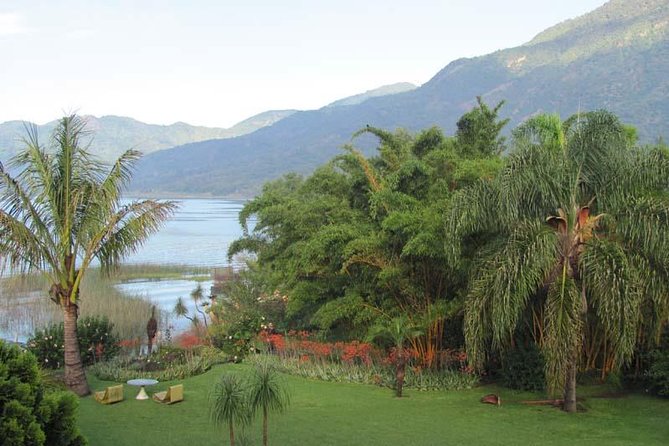
Lake Atitlan is best seen at human speed. This six-hour outing combines a boat ride from Panajachel with a mountain-bike route through Tzununa, San Marcos, San Pablo, San Juan, and San Pedro. I like the close look at Mayan village life, especially the stops at weaving cooperatives and coffee plantations. I also like that the route uses both water and trail, giving you a fuller picture of the lake than a quick boat ride alone. The main drawback is physical: rough sections, steep roads, and roughly four hours of cycling demand a fair level of fitness.
The tour costs $117.95 per person, which is not cheap by Guatemalan standards. You are paying for the guide, bicycle, helmet, boat transport, and a full day of linked stops rather than simply renting a bike. Still, bike quality and guiding may vary, so I would confirm the route and equipment before setting off.
In This Review
- Key Points Before You Book
- From Panajachel to Remote Tzununa
- Five Kilometers of Dirt Road to San Marcos
- San Pablo and the Crystalline Beach Stop
- San Juan: Weaving, Coffee, and Local Work
- Finishing in San Pedro
- How Hard Is the Cycling?
- Bikes, Guides, and the Main Risk
- Is $117.95 a Fair Price?
- Who Will Enjoy This Lake Atitlan Ride?
- Should You Book It?
- FAQ
- Where does the bicycle tour start?
- What time does the tour begin?
- How long does the experience last?
- Which villages does the cycling route visit?
- Is a boat ride included?
- Is hotel pickup available?
- Are bicycles and helmets provided?
- Are food and drinks included?
- How fit do I need to be?
- Can children join the tour?
- How many people can join the group?
- Can I cancel for a refund?
Key Points Before You Book
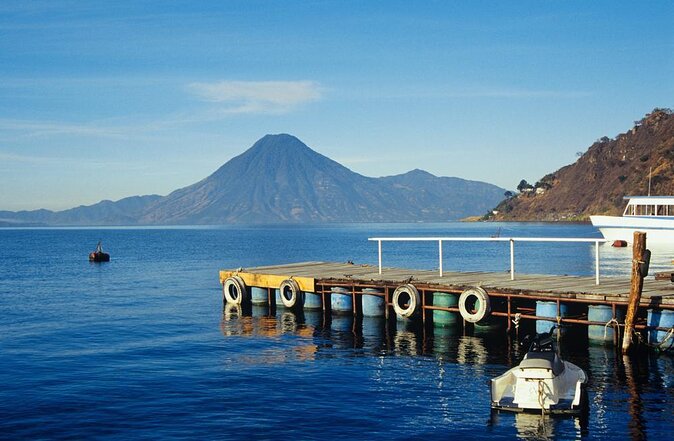
- The day begins on a boat: You cross Lake Atitlan from Panajachel to Tzununa, with the ride timed for calmer morning water.
- The route covers four villages: You cycle through San Marcos, San Pablo, San Juan, and San Pedro, each with a different feel and set of stops.
- Expect a real workout: The ride includes five kilometers of dirt road, paved sections, steep stretches, and rough terrain.
- Village visits add meaning: Weaving co-ops, coffee farms, galleries, and family plots show how local households work and make a living.
- The group stays small: A maximum of eight people allows the guide to keep an eye on the group more easily.
- Check the equipment first: A past mechanical problem led to a broken chain and a difficult return, so inspect your bike before leaving.
From Panajachel to Remote Tzununa
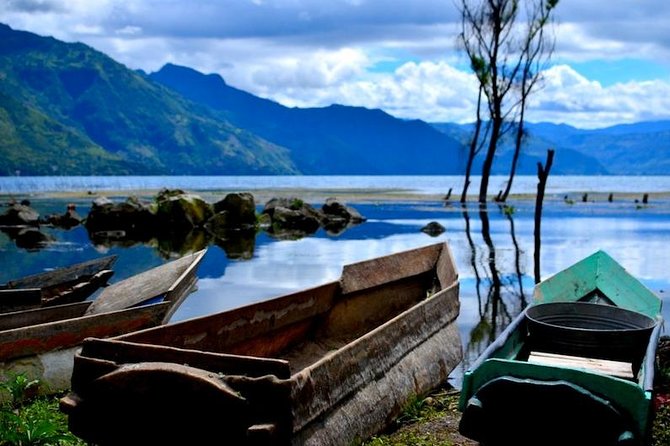
The meeting point is at the Panajachel ferry area, with an 8:30 a.m. start. Pickup and drop-off are available from selected Panajachel hotels, but not every hotel qualifies, so you should confirm this when booking.
You begin by getting fitted with a mountain bike and helmet. Then you board a lancha, the small public-style boat used around Lake Atitlan, for the crossing to Tzununa. The boat ride takes about 30 minutes each way as part of the stated one-hour total water time, though actual travel can depend on lake conditions.
The morning departure makes sense. The water is often calmer earlier in the day, and the ride gets you away from Panajachel before the main cycling begins. It also gives you a fine first look at the steep volcanic slopes around the lake, though the boat is transportation rather than a sightseeing cruise with a narrated tour.
Tzununa is described as one of the more remote Mayan villages on the route. That matters because the ride starts away from Panajachel’s commercial center and moves quickly into smaller communities, farms, and hillside roads. You are not simply pedaling beside the lake. You are crossing spaces where Cakchikel and Tz’utujil Mayan families continue farming and making crafts using long-standing methods.
More around Lake Atitlan:
- Lake Atitlan Villages Tour on ATV
★ 5.0 · 525 reviews - From Antigua: 2-Day Acatenango Volcano Hiking with Guide
★ 4.1 · 366 reviews - Lake Atitlán Sunset Tour
★ 5.0 · 171 reviews
Five Kilometers of Dirt Road to San Marcos
Once you leave Tzununa, the first section covers about five kilometers of dirt road to San Marcos. This is where the physical character of the outing becomes clear. You should expect uneven ground, changes in grade, and a pace that may feel slow if you are used to flat paved cycling.
San Marcos is one of the first places where you can pause and take in the lake from shore and hillside viewpoints. The village is also a useful early check of your comfort on the bike. If the dirt road feels demanding, you can tell the guide before the route becomes more difficult.
The guide leads the group, and the small maximum of eight people is helpful here. On uneven roads, you may need more time to handle the bike, dismount, or walk a short section. One guide, Marcelino, was praised for walking patiently alongside riders when the road became too steep or rough. That kind of help is far more valuable than a guide who simply sets off ahead and expects everyone to follow.
At the same time, your experience depends on the guide assigned that day. You should not assume that every guide will provide the same level of explanation or mechanical support. Before leaving, ask who will lead the ride, what the planned route is, and how the group will handle a bicycle problem.
San Pablo and the Crystalline Beach Stop
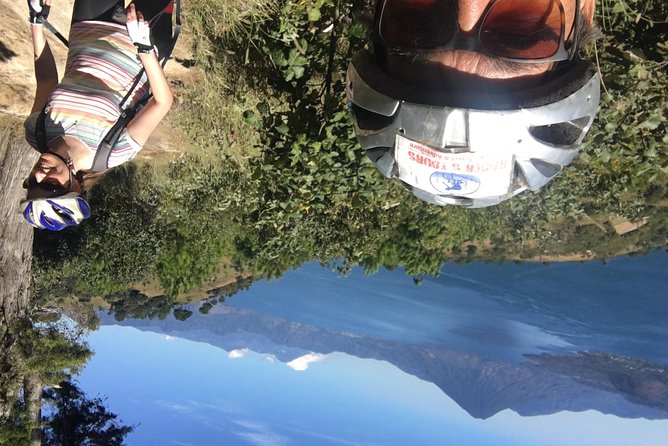
From San Marcos, the route continues toward San Pablo on paved road. This change in surface gives your legs a break from the dirt, though paved does not mean flat. The route around Lake Atitlan has plenty of slopes, and the overall ride remains active.
A stop at Crystalline Beach offers a choice. You can swim or simply enjoy the view. That flexibility is useful because not everyone will want to get wet after cycling, and some riders may prefer to rest, take photos, or cool down at the water.
The beach stop also breaks up the day. Four hours of cycling can feel long if the ride is treated as one continuous push, so planned pauses matter. Bring a swimsuit if you want to swim, but remember that food and drinks are not included. You should carry money and plan to buy refreshments along the way if needed.
The tour description gives a total duration of about six hours, while the activity details describe five hours made up of four hours of cycling and one hour on the boat. Treat the schedule as approximate. A swim, village visit, mechanical issue, or slower pace can add time.
San Juan: Weaving, Coffee, and Local Work
San Juan is the cultural center of the route. Here, you may choose to visit weaving cooperatives, coffee plantations, and art galleries. These stops are the strongest reason to choose the guided tour rather than rent a bicycle on your own.
A weaving co-op can show you how local women organize production and preserve techniques passed down through families. The value is not just seeing finished cloth in a shop. You get a better sense of the time, skill, and household work behind the patterns and colors.
Coffee farms offer a similar connection to the area. You ride through plantations and family farms, seeing coffee grown alongside corn and vegetable plots. Farming is still part of ordinary life around the lake, and the route gives you a chance to see how people work the land rather than only photographing the scenery.
The tour may also include an art gallery and a chocolate factory in San Juan. These stops are optional, so the amount of time spent at each depends on the group and the guide. If you have a strong interest in textiles, coffee, or local food production, tell the guide early. If you mainly want to ride, you can ask how long the visits will take.
One important point: you are meeting communities and businesses, not visiting a staged museum. Be polite when taking photos, listen during demonstrations, and expect that shopping may be part of the visit. You do not have to buy anything, but purchases at co-ops directly support local makers more than generic souvenirs sold at transport hubs.
More coffee tours in Panajachel:
- Antigua ATV Coffee Tour
★ 5.0 · 380 reviews - Coffee and Gastronomic Bike Tour in Antigua
★ 5.0 · 284 reviews - Coffee Tour Adventure Antigua Guatemala
★ 5.0 · 121 reviews - Antigua ATV Coffee tour
★ 4.9 · 113 reviews
Finishing in San Pedro
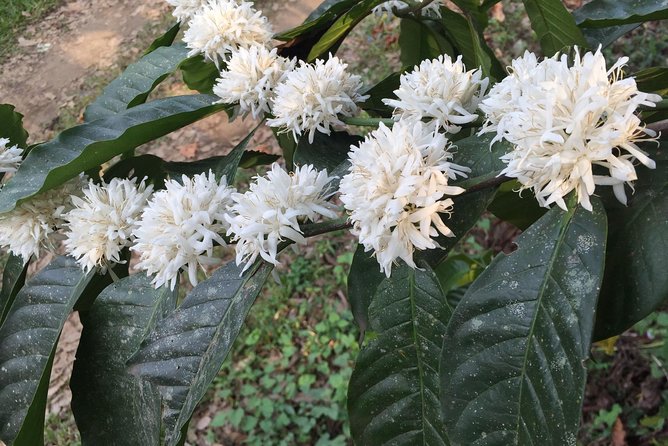
The route ends in San Pedro, after passing through San Pablo and San Juan. San Pedro is a larger and more active stop than Tzununa, and arriving by bicycle gives you a strong sense of how the villages connect around the lake.
The route includes scenic lookouts, but the ride is not designed as a series of formal viewpoints with long photo stops. Your best views may come during short pauses along the road. Keep your camera accessible, but do not let photography distract you on rough ground or near traffic.
The final boat ride takes you back to Panajachel. This return crossing is a welcome rest after the cycling. It also gives you a chance to see the route from the water, connecting the separate villages into one broad view of the lake.
Hotel drop-off is included only for selected Panajachel hotels. The stated end point is back at the meeting point, so if you are staying elsewhere, arrange your onward transport in advance.
How Hard Is the Cycling?
You should have a moderate level of physical fitness for this outing. The ride is not a gentle lakeside pedal. The dirt road, steep portions, rough pavement, and total cycling time make it closer to a serious half-day exercise session with cultural stops.
A strong rider may find the route manageable and rewarding. A casual cyclist may still enjoy it, but should be ready to walk sections. That is not failure. Around Lake Atitlan, walking a steep stretch is often the sensible choice, especially when the surface is loose or uneven.
Children can join only when accompanied by an adult. The outing is not described as specially designed for young children, and the steep roads matter. One guide, Mario, was especially good with an 11-year-old rider, but that does not remove the need to judge your child’s stamina and bike confidence carefully.
Wear clothing suited to changing weather and bring practical sun protection. The tour operates in all weather conditions, so a rain layer is wise. Since food and drinks are not included, carry water and money for refreshments.
Bikes, Guides, and the Main Risk
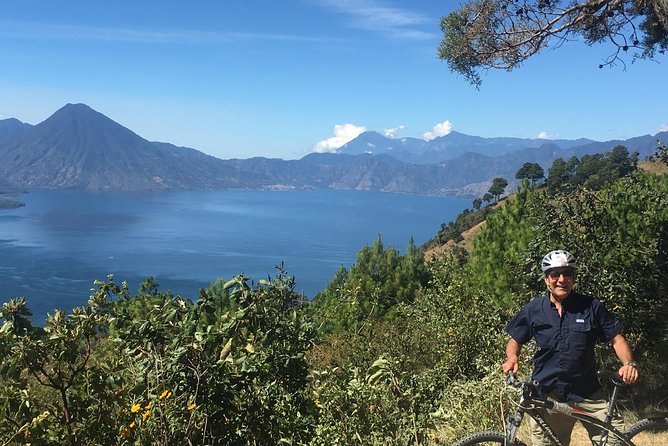
The tour supplies a mountain bike and helmet. A major advantage is that you do not have to arrange a separate rental, find the route, or work out the boat connections yourself.
The main concern is equipment reliability. One reported outing included a broken chain, followed by a return in a communal pickup. The rider also felt the guide offered little help and information. The provider responded that the bicycles were the same models available for independent rental and that the group had requested a route different from the advertised one.
That exchange points to two practical lessons. First, inspect the brakes, chain, tires, gears, and seat before leaving Panajachel. Second, make sure the planned route matches what you booked. A custom route may sound appealing, but it can change the villages visited, the return arrangements, and the level of support available.
Guiding is a major part of the price. Guides such as Mario and Marcelino have been praised for patience, care, and good handling of family groups. Still, the quality of interpretation and mechanical help is not guaranteed to be identical every day. Ask direct questions at the start instead of assuming the plan is fixed.
Is $117.95 a Fair Price?
At $117.95 per person, this tour costs much more than a basic bicycle rental. The price includes the mountain bike, helmet, professional guide, boat transport, and selected hotel pickup and drop-off. It also links together villages and cultural stops that would take more planning to arrange independently.
For a small group of up to eight, the price is easier to justify. You are paying for logistics as well as cycling. The guide handles the route between Tzununa and San Pedro, while the boat transfers remove the need to plan separate lake transport.
The value is weaker if you mainly want a bicycle and are comfortable arranging everything yourself. A poor bike fit, limited commentary, or an altered route can make the cost feel high. I would book this for the structure, local access, and boat connection, not because the bicycle itself is likely to be luxurious.
Group discounts may be available, which could improve the price for families or friends. The minimum booking is two people, so solo riders cannot book this experience alone under the stated terms.
Who Will Enjoy This Lake Atitlan Ride?
I would recommend it to active visitors who want more than a view from a lancha. It suits you if you enjoy mixing exercise with village visits, are curious about Mayan textiles and farming, and do not mind rough roads or a flexible schedule.
It is also a good choice for families with older children who can handle a demanding ride. Mario’s patient work with an 11-year-old shows that the right guide can make the day work well for a family, but adults still need to supervise and judge fitness honestly.
I would not choose it if you want a relaxed sightseeing day, guaranteed smooth roads, or a polished cycling operation. If steep climbs, walking your bike, or changing weather sound unpleasant, use boats and short village walks instead.
You can cancel without charge up to 24 hours before the 8:30 a.m. start for a full refund. Changes or cancellations inside that window are not accepted, and the rules use local time.
Should You Book It?
Book this tour if you want Lake Atitlan through several viewpoints: from the boat, from village roads, from coffee plots, and from the seat of a bicycle. The best parts are the route through smaller Mayan communities, the stops in San Juan, and the chance to see ordinary farming and craft work up close.
Before paying, confirm the meeting point, hotel pickup, bike condition, guide, and exact route. Ask how the group will handle steep sections and mechanical trouble. If those details are clear and you are in fair shape, the tour can be a memorable and active way to connect Panajachel with the villages around the lake.
FAQ
Where does the bicycle tour start?
The tour starts at the ferry area in Panajachel, Guatemala.
What time does the tour begin?
The stated start time is 8:30 a.m.
How long does the experience last?
The tour lasts approximately six hours. The activity details describe about four hours of cycling and one hour of boat travel.
Which villages does the cycling route visit?
The route begins in Tzununa and continues through San Marcos, San Pablo, San Juan, and San Pedro.
Is a boat ride included?
Yes. You take a lancha from Panajachel to Tzununa and return by boat from San Pedro to Panajachel.
Is hotel pickup available?
Pickup and drop-off are included from selected hotels in Panajachel only.
Are bicycles and helmets provided?
Yes. The tour includes a mountain bike and helmet.
Are food and drinks included?
No. Food and drinks are not included in the price.
How fit do I need to be?
You should have a moderate level of physical fitness. The route includes dirt roads, steep sections, rough surfaces, and about four hours of cycling.
Can children join the tour?
Yes, but children must be accompanied by an adult.
How many people can join the group?
The tour has a maximum of eight participants, and at least two people are required per booking.
Can I cancel for a refund?
Yes. You can cancel at least 24 hours before the start time for a full refund. Cancellations or changes made less than 24 hours before the start are not accepted.
Just added in Panajachel
- sunset tour★ 5.0 · 4 reviews
- Tour a NGO non profit Vocational Training Center Amigos de Santa Cruz and explore the Mayan village★ 5.0 · 4 reviews
- Temazcal sauna and dinner, cultural sharing experience★ 5.0 · 6 reviews
- Get to know San Marcos, San Pablo, San Juan and San Pedro by bicycle★ 4.0 · 1 review
- Shared Transportation from Panajachel or Lake Atitlan to Antigua★ 3.5 · 4 reviews
- Boat tour in Mayan villages★ 5.0 · 1 review
- Shared Transport from Panajachel, Lake Atitlan to Guatemala City★ 3.0 · 3 reviews
- Quetzaltenango and Fuentes Georginas Hot Springs from Panajachel★ 3.0 · 2 reviews
Coffee Experiences, compared.
San Salvador: Full Day Ruta de Las Flores and Coffee Farm
Read our review →
From Antigua or Guatemala : Coffee & Culture Full-Day Tour
Read our review →Browse the lists this tour appears in