Review · ANTIGUA GUATEMALA TOURS
Carve your own jade piece in Antigua!
Small stone, big story. At Casa del Jade in Antigua, you learn how jade shaped Mayan culture, then cut and polish your own piece to take home. I like the blend of cultural background and hands-on work, and I like that beginners can create something genuinely personal rather than simply buying a souvenir. The main caution is that the workshop can feel crowded when staffing is thin, and the work is more physical than it first appears.
You choose the jade color, decide on a simple shape, and use workshop machinery to cut, smooth, and polish the stone. Instructors such as David, Carmen, and Elmer are repeatedly praised for their patience and help. Wear clothes that can handle a little water, expect to stand for much of the session, and give yourself time to rest your neck and shoulders.
In This Review
- Key Points Before You Book
- Why Jade Matters in Guatemala
- Inside Casa del Jade on 4a Calle Oriente
- Choosing the Stone and Planning the Shape
- Cutting, Shaping, and Polishing the Jade
- The Instructor Makes the Difference
- What You Take Home
- Is $69 a Fair Price?
- Who Will Enjoy This Most?
- Smart Tips for a Better Workshop
- My Recommendation for Casa del Jade
- FAQ
- Where does the jade carving workshop begin?
- Where does the activity end?
- How long does the workshop last?
- How much does the experience cost?
- What can I make during the workshop?
- Do I need previous carving experience?
- How many people can join the activity?
- Is the workshop suitable for children or teenagers?
- What should I wear?
- Can I cancel for a full refund?
Key Points Before You Book
- You make the piece yourself: Cut, shape, and polish jade into a pendant, keychain, bracelet, or another small keepsake.
- You begin with Mayan jade traditions: A short museum visit explains the stone’s cultural meaning, colors, and place in Guatemala.
- Beginners are welcome: You can follow a stencil or try your own idea with help from the instructor.
- The workshop uses water and machinery: Safety glasses and ear protection are provided, and some tools spray water.
- The group is small on paper: The stated maximum is eight people, though the level of personal help can vary.
- The price includes a lasting souvenir: At $69 per person, the value is strongest if you want an activity, not just a purchased object.
Why Jade Matters in Guatemala
Jade is more than a pretty green stone in Guatemala. It has long been tied to Mayan life, love, status, and spiritual meaning. At Casa del Jade, your session begins with an introduction to the stone and its role in the region before you head to the workshop.
That opening matters. Without it, carving a small pendant could feel like a standard craft class. With it, the stone carries a sense of place. You start to understand why jade is treated as Guatemala’s national gemstone and why a handmade piece can mean more than a souvenir pulled from a market shelf.
You also learn about different colors of jade and what they represent. The available colors can include green, black, and purple. One especially distinctive detail is lavender jade, which the workshop presents as a variety found only in Guatemala.
The background portion is not a full museum visit in the grand sense. It is short and designed to prepare you for the practical work. Still, it gives the activity a useful cultural frame and helps you make a more informed choice when selecting your stone.
More things to do in Antigua Guatemala:
- From Antigua: Adventure, 2-Day Hiking to Acatenango Volcano
★ 4.4 · 1,189 reviews - From Antigua: Pacaya Volcano Tour in English/Spanish
★ 4.5 · 930 reviews - From Antigua: Pacaya Volcano Trek
★ 4.4 · 798 reviews
Inside Casa del Jade on 4a Calle Oriente
The workshop meets at Casa del Jade, in Edificio El Jaulón at 4a Calle Ote. 10, close to Antigua’s central plaza. That location is convenient if you are already walking around the old city. You do not need to build a separate transportation plan around it, and the activity fits well into a morning or afternoon of sightseeing.
You begin and end at the same address. The setting combines a jade museum and retail space with the working area where the carving takes place. That arrangement lets you see jade as both a cultural material and a modern craft product.
The first step is choosing what you want to make. A necklace is a popular choice, but the workshop can also produce a bracelet, keychain, or another small object. Some people use a stencil to keep the design simple. Others sketch out a personal shape and ask the instructor for help.
My practical advice is to choose a shape that is simple enough to finish well. Jade is hard, and the tools remove material slowly. An ambitious design may look fine on paper but become difficult once you are holding the stone against a spinning wheel.
Choosing the Stone and Planning the Shape
Once you understand the color options, you select the piece of jade you will work with. This is one of the most personal parts of the workshop. You are not handed an identical blank and told to decorate it. The color, shape, and final use are yours to decide.
If you want a pendant, think about how it will hang before you begin cutting. If you want a keychain or magnet, a broader shape may work better. The instructor helps you map out the first cuts and can steer you away from a design that is too fragile or complicated.
That guidance is important for beginners. Several people arrive worried they will ruin the stone. Instructors are there to guide the cutting and correct mistakes when possible. David is especially praised for being patient and for stepping in when a piece needs help.
You still do the work. The instructor does not simply create the item for you while you watch. That balance is what makes the finished object satisfying. You can see the rough stone change under your hands, but you are not left alone with unfamiliar equipment.
Cutting, Shaping, and Polishing the Jade
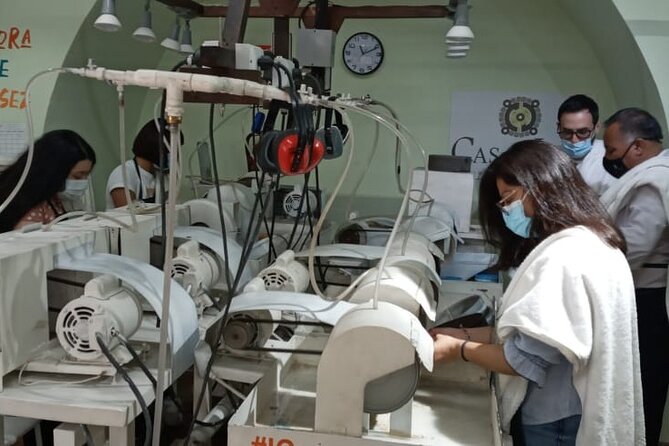
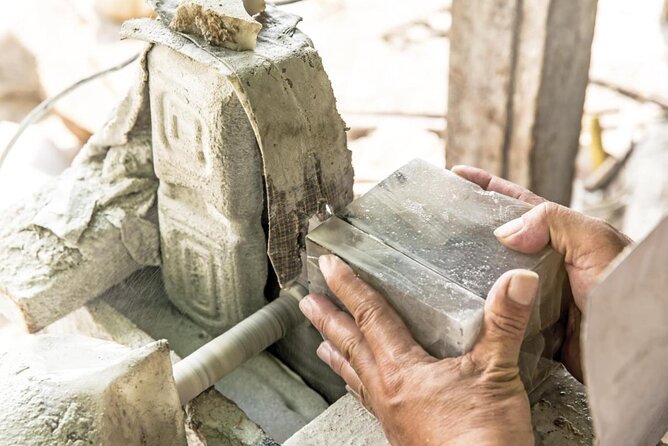
The workshop moves through several basic stages: cutting the stone, shaping the edges, and smoothing and polishing the surface. You use different machines and wheels for each part. Water is used with some of the equipment, so a little splashing is normal.
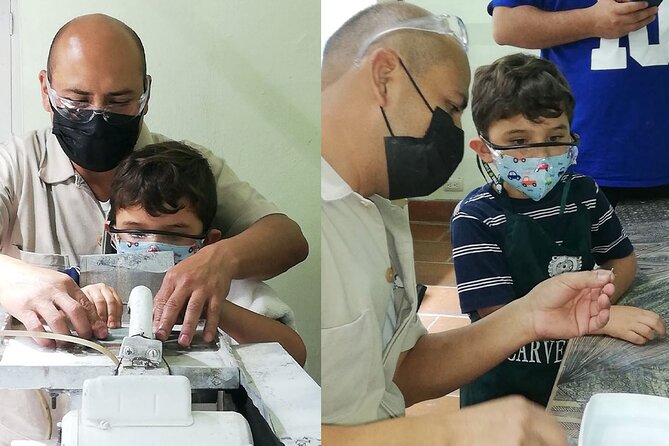
You will wear safety glasses and ear protection while working. That makes the session safer, but it also means this is not a quiet, highly social craft class. You need to focus on the stone, listen to instructions, and handle the tools carefully.
The process is straightforward, but it is not effortless. One useful expectation is that carving jade is harder than it looks. You may spend more time than expected refining an edge or getting a surface smooth. The work can also leave you standing and leaning forward for long stretches.
Take a short pause if your shoulders or neck start to ache. A two-hour session can pass quickly, especially when you are trying to improve the final polish. The point is not to rush through the machinery. A few extra minutes of smoothing may make the difference between a rough souvenir and a piece you will actually wear.
The strongest part of the class is the sense of progress. At first, you have an ordinary piece of stone. By the end, it has a shape, a finish, and a purpose that came from your own decisions.
A completely different kind of day out:
- Antigua Cultural Walking Tour
★ 4.5 · 725 reviews - Antigua, Guatemala: Volcano Acatenango Overnight Hiking
★ 4.6 · 645 reviews - Hike to Pacaya Volcano from Antigua
★ 4.5 · 502 reviews - Antigua ATV Sunset Tour
★ 5.0 · 488 reviews
The Instructor Makes the Difference
The tools are important, but the instructor determines how comfortable the workshop feels. Names that come up often include David, Carmen, Elmer, Josue, and Cesar. Their roles may vary, but the consistent strength is patient, hands-on help.
A good instructor shows you how to use the machines, watches your technique, and steps in when a cut begins to go wrong. That support is especially helpful if you have never used a grinding or polishing wheel. You can ask for help without feeling that you have failed.
The class also works well across age groups. One group included people from age 12 to 80, with everyone able to take part. Families with older children and teenagers may find this more engaging than another walking tour or shopping stop because the child gets to make the souvenir rather than choose one from a shelf.
Still, personal attention is not guaranteed at every moment. The stated maximum is eight participants, but one session was described as having nine people and only one instructor. In that situation, the instructor may need to move from one station to another, leaving you with less direction than you hoped for.
If you prefer close guidance at every step, consider asking about the expected group size when booking. A smaller group can make the class feel almost private. When two staff members are available, the extra help can make a real difference.
What You Take Home
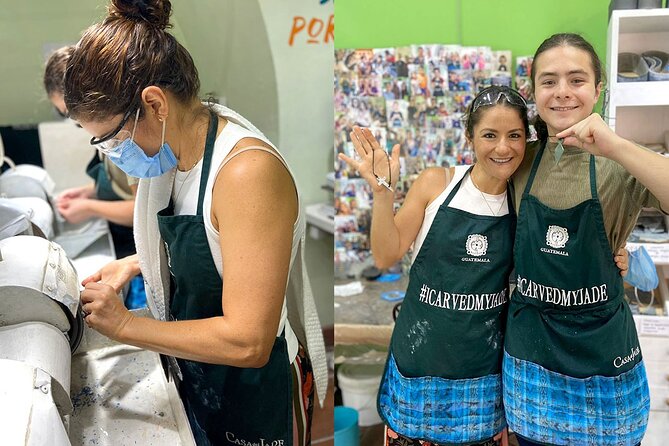
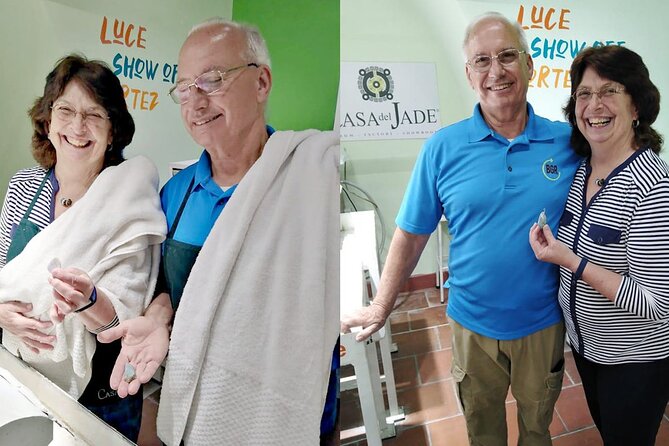
The finished item can become a necklace, bracelet, keychain, or another small keepsake. Nylon cord may be used for a pendant or necklace. One person found that a knot came loose after a couple of days, so inspect the finishing work before leaving and ask the staff to reinforce it if needed.
That minor issue is worth noting because the workshop’s appeal depends partly on the souvenir lasting. The stone itself is the meaningful part, but the cord, clasp, or knot is what makes it wearable. Take a moment to check how the piece is attached.
The final object does not need to look like professional jewelry to be valuable. It carries the marks of your own work. You selected the stone, chose the color, made the cuts, and polished the surface. That gives it a personal connection to Antigua that a similar item bought in a market may not have.
You may also find that the process changes how you look at jade afterward. Once you have struggled to smooth one small piece, you begin to appreciate the time and skill behind finely carved jade jewelry.
Is $69 a Fair Price?
The workshop costs $69 per person and lasts about two hours. That is not the cheapest souvenir activity in Antigua, but the price includes instruction, the museum introduction, use of the equipment, and a jade piece you make and take home.
I think the value is good if you want an activity with cultural context. You are paying for time, guidance, and the chance to create something. If your only goal is to obtain a jade necklace at the lowest possible price, shopping may be cheaper.
The value also improves when you share the session with a family member, friend, or partner. Making two pieces together gives the activity a social purpose, and the finished objects become reminders of time spent in Antigua rather than simple purchases.
The workshop is booked an average of 16 days ahead, so it is sensible to reserve before your trip if the timing matters. Free cancellation is available when you cancel at least 24 hours before the scheduled start. Cancellations or changes made inside that window are not refunded or accepted.
Who Will Enjoy This Most?
I would recommend the class to anyone who likes making things with their hands. You do not need prior carving experience, artistic training, or a fixed design. The instructors can help you start with a stencil and simplify an idea that is too difficult.
It is also a good fit for families. Teenagers can participate in a real craft rather than simply watch a demonstration, and the activity suits a wide age range. A parent and child can make separate pieces and compare the results afterward.
Couples may find it a pleasant date activity. You work side by side, help each other choose shapes, and leave with matching or complementary keepsakes. Solo visitors also fit easily into the class, especially if they enjoy focused work.
This is less suitable if you want a relaxed, seated activity with plenty of conversation. You may stand for most of the session, wear protective equipment, work around noise, and concentrate on machinery. It is also not ideal if you dislike getting a little wet or cannot comfortably lean over a workbench.
Service animals are allowed, and the site is near public transportation. Most people can participate, but the physical demands of standing and working at the machines are worth considering before you book.
Smart Tips for a Better Workshop
Choose a simple shape. A clean pendant or keychain is more likely to be finished neatly than an intricate design with thin points.
Wear something you would not mind getting slightly wet. Water is used with some of the wheels and machines.
Ask questions early. If you are unsure how much material to remove, pause and ask the instructor before making the next cut.
Check the final cord or knot. If the piece is intended as jewelry, make sure it feels secure before you leave.
Protect your posture. You may hunch over the work, so take a brief break if your neck or shoulders become sore.
Plan around the full two hours. One person finished in closer to an hour, but most descriptions place the complete process at about two hours. Your design and polishing pace will affect the timing.
Do not panic over small mistakes. The instructors can often help correct or soften an uneven cut. The goal is a finished piece you feel proud to wear, not a factory-perfect product.
My Recommendation for Casa del Jade
This is one of Antigua’s better hands-on cultural activities because it joins a local material to a practical souvenir. I especially like that you learn why jade matters in Guatemala before you begin cutting it. The lesson gives meaning to the work, while the workshop keeps the session active.
Book it if you want a personal keepsake, enjoy creative projects, or need a two-hour break from churches, ruins, and city walking. Families, couples, teenagers, and solo visitors can all get something from it.
Skip it if you want a passive museum visit, dislike machinery, or need guaranteed one-on-one instruction. The occasional staffing and group-size issue can reduce the personal attention. For most people, though, the chance to turn a piece of Guatemalan jade into something wearable makes the $69 worthwhile.
FAQ
Where does the jade carving workshop begin?
It begins at Casa del Jade, Edificio El Jaulón, 4a Calle Ote. 10, Antigua Guatemala 03001, Guatemala.
Where does the activity end?
The activity ends back at the Casa del Jade meeting point.
How long does the workshop last?
The workshop lasts approximately two hours.
How much does the experience cost?
The price is $69 per person.
What can I make during the workshop?
You can create a jade necklace, bracelet, keychain, or another small piece based on the available materials and your chosen design.
Do I need previous carving experience?
No. The workshop is suitable for beginners, and instructors provide step-by-step help with the tools and design.
How many people can join the activity?
The stated maximum is eight participants.
Is the workshop suitable for children or teenagers?
Most people can participate, and one group ranged in age from 12 to 80. A parent or guardian should consider the standing, machinery, water, safety glasses, and ear protection involved.
What should I wear?
Wear clothing that can handle getting a little wet because some machines and polishing wheels use water.
Can I cancel for a full refund?
Yes. You can cancel at least 24 hours before the local start time for a full refund. Cancellations or changes made less than 24 hours before the start are not accepted or refunded.
Just added in Antigua Guatemala
- Full day Antigua Guatemala from Quetzal Port★ 4.5 · 7 reviews
- Private transfer from Panajachel to Antigua Guatemala★ 5.0 · 2 reviews
- Guatemala Airport Roundtrip Transfer to Antigua Guatemala★ 3.5 · 5 reviews
- Colonial Antigua Guatemala walking tour & Hot Springs from Guatemala City★ 3.0 · 2 reviews
- Antigua Guatemala Full Day Tour★ 3.0 · 2 reviews
- Visit Antigua Guatemala and its colorful towns around – Private full-day tour★ 4.5 · 4 reviews
- Airport Transfer to Antigua Guatemala★ 3.0 · 2 reviews
- Iximché : Spiritual Ritual with a Mayan Priest★ 5.0 · 1 review
Antigua Guatemala Tours, compared.
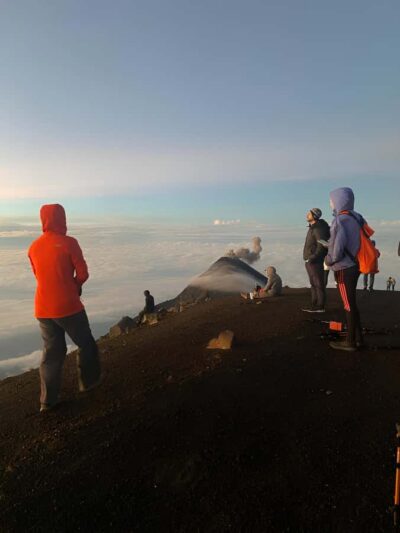
Adventure, 2-Day Hiking to Acatenango Volcano
Read our review →
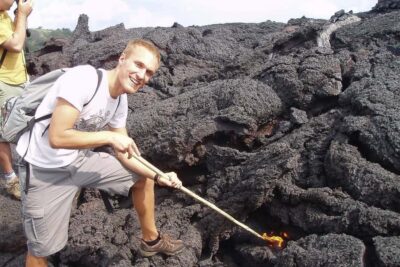

Antigua, Guatemala: Volcano Acatenango Overnight Hiking
Read our review →