
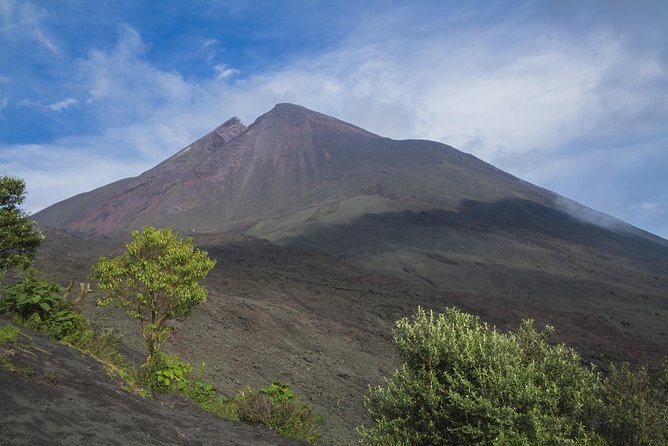
Review · PACAYA VOLCANO HIKES
Pacaya Volcano Day Trip from Guatemala City
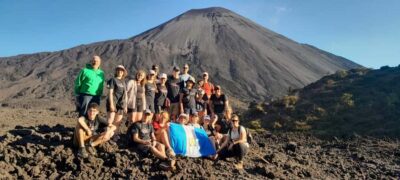
Feel Guatemala’s heat from below. Pacaya gives you an active-volcano hike, big views of Agua, Fuego, and Acatenango, and a close look at black volcanic rock. I especially like the small-group format, capped at 12 people, and the patient guides who adjust the pace with rest stops. The included hotel pickup, entrance fee, bilingual guide, and bottled water also make the $94 price fairly easy to understand.
The main catch is simple: red-hot lava is never guaranteed. Some departures see glowing flows, small eruptions, steam, and hot ground; others see only the volcano and its lava fields. The hike is also harder than the word easy suggests, especially on loose cinder, and horse manure can make the lower trail messy.
In This Review
- Key points before you book
- What this Pacaya trip is really like
- The 7:00 am pickup from Guatemala City
- The first climb: dust, horses, and Calderas views
- The upper plateau and Pacaya’s black volcanic ground
- The lava question: set your expectations carefully
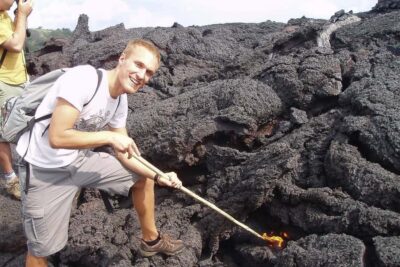
- Marshmallows over volcanic heat
- The volcano views: Agua, Fuego, Acatenango, and beyond
- The descent and return to the city
- Is $94 good value?
- Who should book this hike?
- Cancellation and timing in plain terms
- Should you book Pacaya from Guatemala City?
- FAQ
- How long does the Pacaya Volcano tour take?
- What time does the tour start?
- Is the hike suitable for beginners?
- Can I ride a horse instead of hiking?
- Will I definitely see red-hot lava?
- What does the $94 price include?
Key points before you book
- Hot ground and marshmallows: Some outings include roasting marshmallows over volcanic heat, a playful extra that makes the rocky summit area memorable.
- A real uphill workout: The climb takes about 2.5 hours and reaches roughly 8,000 to 8,500 feet, depending on how far your group goes.
- Lava depends on the volcano: Pacaya is active, but visible lava flows and small eruptions change with conditions.
- Horses are available: You can pay locally for a horse if the climb becomes too steep, though horseback riding is not included.
- Excellent volcano views: The route can reveal Agua, Fuego, Acatenango, Laguna de Calderas, and Guatemala City.
- Guides make a difference: Guides such as Marvin, Alan, Luis, Davis, Gustavo, and Mirko have been praised for clear explanations, patience, safety, and friendly service.
What this Pacaya trip is really like
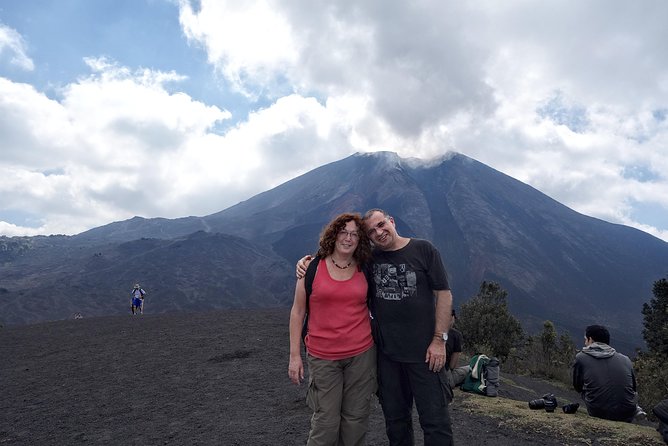
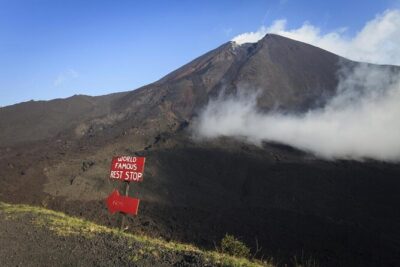
Pacaya is one of Guatemala’s most active volcanoes, rising more than 8,000 feet above sea level. This trip takes you from Guatemala City to its base, then up a trail of dust, small stones, and black volcanic rock.
The advertised duration is about six hours, with a 7:00 am start. In practice, some outings have lasted seven or eight hours, depending on traffic, route, stops, and the pace of the group. The drive from Guatemala City is described as roughly 15 miles, or 25 kilometers, southeast, though road conditions and city traffic can stretch the day.
I see this as a good choice if you want a substantial outdoor outing without committing to a multi-day volcano climb. You get a scenic drive, a guided hike, and a strong sense of Guatemala’s volcanic terrain in one morning or early afternoon.
The experience is not a walk to a paved lookout. You will be climbing. The trail can be steep, dusty, and slippery underfoot. The descent is usually easier in terms of effort, but loose volcanic material still requires care.
More things to do in Guatemala City:
- Private Shuttle in Guatemala
★ 5.0 · 262 reviews - Guatemala City Tour
★ 5.0 · 256 reviews - PRIVATE SHUTTLE AIRPORT/ANTIGUA – LAKE ATITLAN or VICEVERSA
★ 5.0 · 220 reviews
The 7:00 am pickup from Guatemala City
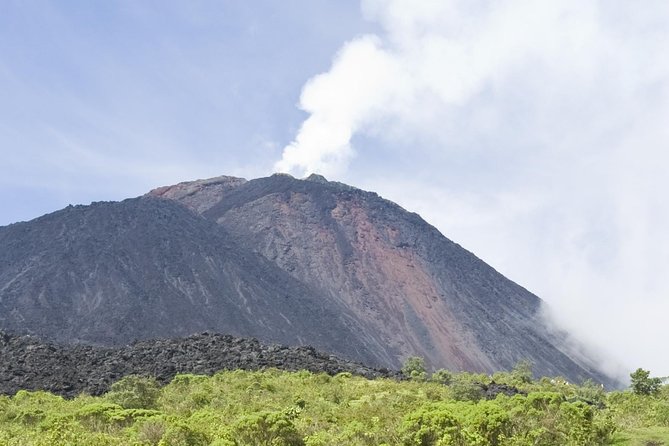
Hotel pickup and drop-off are included, which is a major help in Guatemala City. You do not need to arrange separate transport to the volcano base, and a guide or driver collects you at the start of the day.
The group size can reach 12 people, though some departures are much smaller. One outing had only six people, and another was described as a private-feeling trip for two. A smaller group usually means more room for questions and easier rest stops, but the exact size depends on the date.
The driving portion matters more than the short distance suggests. Traffic leaving or returning to Guatemala City can affect the schedule. Some outings returned around 1:30 pm despite heavy afternoon traffic, while others took closer to seven or eight hours.
There have also been complaints about an unexpected detour through Antigua. If a direct route matters to you, ask about the planned route before setting out. A stop at souvenir shops has also been criticized on one departure, so it is reasonable to ask whether shopping stops are part of the day.
The first climb: dust, horses, and Calderas views
The hike begins near the volcano base. The first section is generally manageable for someone with moderate fitness, but it is not flat. You gain elevation steadily, and the sun and heat can make the climb feel tougher than the distance suggests.
The route includes a viewing point near Laguna de Calderas. This is a fine early reward because you get a broad view before reaching the rougher volcanic ground. Your guide may also point out plants, birds, and local features along the trail.
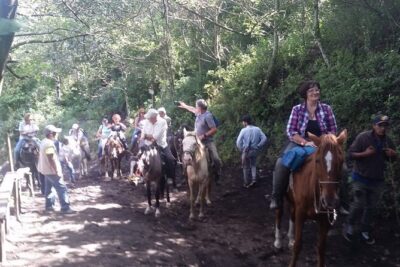
The horses are impossible to miss. Local horse owners may offer rides near the start, and you can usually choose to ride if the climb is too much. The cost mentioned repeatedly is about $20, or roughly 200 Guatemalan quetzales, though this payment is separate from the tour.
I would not treat the horse as a sign that you have failed the hike. The upper trail can be steep, and several people found the horse useful. One person rode up and then left the horse near the top, while another chose a horse almost immediately. You can also change your mind during the climb.
There are two things to keep in mind. First, horse riding does not take you to every part of the upper route. One account specifically notes that horses cannot reach the crater area. Second, the trail can contain a lot of horse manure. Bring a face covering if dust and odors bother you, and watch your footing.
The upper plateau and Pacaya’s black volcanic ground
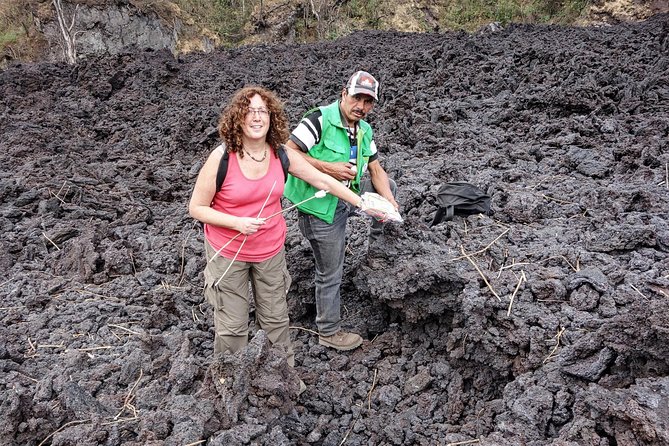
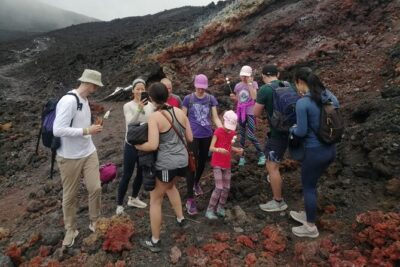
After the lower climb, you reach a plateau or upper viewing area with broad views across Guatemala. This is where the character of the hike changes. The path may give way to loose cinder and rough volcanic rock, with a sandy surface that shifts beneath your shoes.
The hardest section is the ascent toward the crater area. One detailed account described it as walking up a sand dune, with two steps forward and one sliding back. That is a useful warning. The lower trail may feel moderate, but the final climb can be strenuous.
A walking stick can help. Some local sellers offer sticks along the route, and a few people found them useful. Proper hiking shoes are also worth bringing. Several people specifically recommended sturdy footwear, sunscreen, mosquito spray, water, and snacks.
You will not be allowed to visit the crater rim as part of the ordinary route. Safety rules keep the group at a viewing point or plateau instead. One past departure offered an additional route toward the rim for about 200 quetzales per person, but that was not included in the basic experience and the extra cost was not clear to everyone beforehand.
Because access and volcanic conditions can change, ask your guide exactly how far the group will go that day. Do not assume that a tour described as going to the top means standing at the crater rim.
More Pacaya volcano hikes:
- From Guatemala City or Antigua: Pacaya Volcano Day Tour
★ 4.6 · 89 reviews - Pacaya Volcano Tour and Hot Springs from Guatemala City
★ 4.0 · 75 reviews - Pacaya Volcano Shared Hiking Tour
★ 5.0 · 60 reviews - Pacaya Volcano Vistas + Enjoy Pizza Surrounded by The Volcano
★ 5.0 · 37 reviews
The lava question: set your expectations carefully
Pacaya’s active status is the reason many people book this trip. It is also the source of the most important warning.
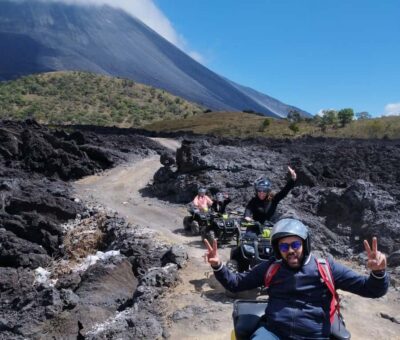
You may see a red-hot lava flow, small eruptions, steam rising from the ground, sulfur smells, heat under the rocks, or hear low rumblings. One outing included small eruptions from Fuego about every half hour, along with views of Pacaya’s lava fields. Other outings saw no red lava at all.
That difference is normal for an active volcano. Activity changes, and a safe viewing point may not offer a direct look at glowing lava. The tour description presents lava as something you can see, but you should treat it as a possibility rather than a promise.
The best reason to go is the whole setting: black volcanic ground, high views, changing textures, and the chance to feel heat from the earth. If you only want a glowing lava photo, you may leave disappointed.
This is also where a good guide matters. Guides including Marvin, Alan, Luis, Davis, Gustavo, and Clara have been praised for explaining the volcano, local plants, birds, and regional history while keeping the pace comfortable. Some guides brought marshmallows, and others helped with photos or explained where the heat was strongest.
Marshmallows over volcanic heat
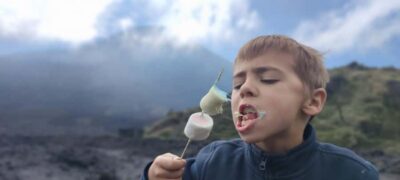
The marshmallow stop is one of the most unusual parts of the outing. In the rocky upper area, natural heat from the volcano can be used to roast marshmallows. It is not a substitute for lava, but it is a fun way to interact with the volcanic ground.
Some people described cooking marshmallows in hot cracks or near volcanic embers. The exact setup may vary with conditions and safety rules, so do not expect the same arrangement every time.
This small touch works because the hike is physical. After climbing through dust and loose rock, you get a lighthearted break with something to do besides stare at the crater area. If your guide provides the marshmallows, that is an added kindness. Still, bring your own snacks because food and drinks are not included.
The volcano views: Agua, Fuego, Acatenango, and beyond
The views are the strongest and most dependable part of the trip. From the route and upper viewpoints, you may see Agua, Fuego, and Acatenango, along with Laguna de Calderas and Guatemala City.
Fuego is especially exciting when it produces a small eruption. You may not get one, but even a clear view of the volcanoes gives the hike a strong sense of place. The upper sections also show how different Guatemala’s volcanic areas can look, from green slopes and distant towns to gray cinder fields close to Pacaya.
Weather affects visibility. On a clear day, the panorama can be breathtaking. On a cloudy or hazy day, the volcano itself and the texture of the trail become more important. That is another reason to value the hike rather than judge the outing only by the number of visible lava bursts.
Your guide may stop at several points rather than rush everyone to the top. This is helpful if you are not used to altitude or steep ground. Marvin was praised for allowing plenty of rest, while other guides were described as patient with children and less athletic members of the group.
The descent and return to the city
The return route is generally easier than the climb, but it is not effortless. Loose stones and cinder can slide beneath your feet, and tired legs increase the chance of a stumble.
Some groups descend by a different, longer route. This can give you new views, but it also adds time. One account described the way down as easier while still being long, and another noted that legs remained tired well after the tour.
At the base, you may find a small coconut and coffee stand. One account praised the couple running it, making it a pleasant place to pause if your route includes the stop. There may also be a Lava Store or other local sales area. Keep a little flexibility in your schedule, since traffic and optional stops can affect the return.
The included hotel drop-off is valuable after the hike. You finish dusty, warm, and likely ready for a shower, so not having to arrange a taxi is a real convenience.
Is $94 good value?
At $94 per person, the price is fair if you want a guided outing with transport. The fee includes hotel pickup and drop-off, entrance, a bilingual professional guide, and bottled water. You are paying for the vehicle, coordination, local guiding, and access, not just the hike itself.
The value is strongest for people staying in Guatemala City who do not want to organize their own transport to Pacaya. It is also useful if you want help with the trail, local interpretation, and safety decisions around an active volcano.
Budget for extras. Food and drinks are not included, and a horse costs about $20 based on several accounts. A possible additional climb toward the crater area has also been priced separately at about 200 quetzales on one departure.
The price becomes less attractive if your main goal is guaranteed lava. No operator can promise that. It is a better buy if you value the volcano setting, mountain views, and the chance of seeing volcanic heat or activity.
Who should book this hike?
You should consider it if you:
- Have moderate physical fitness and can handle a 2.5-hour uphill hike.
- Want a half-day or extended morning outing from Guatemala City.
- Like scenic walks with a clear physical challenge.
- Are happy to see volcanic rock and distant peaks even if lava is not visible.
- Want the option of a horse if the climb becomes too difficult.
- Prefer a small guided group rather than arranging every detail yourself.
Families may also find it workable. A nine-year-old completed the hike with a supportive guide, though every child’s fitness and comfort level will differ.
This is not the best match if you dislike steep trails, loose footing, dust, horse manure, or changing plans. It is also a poor choice if you need guaranteed crater access or guaranteed glowing lava.
Wear hiking shoes, sun protection, and clothing that can handle dust. Bring water and snacks even though bottled water is provided. A mask or scarf can help on dusty sections, and a walking stick may make the loose upper trail easier.
The experience has a 4.6 rating from 63 reviews and is recommended by 92 percent of people who rated it. Those numbers fit the overall picture: the guides and views earn strong praise, while unclear expectations about lava, route changes, extra fees, and trail conditions create the main complaints.
Cancellation and timing in plain terms
You can cancel at least 24 hours before the local start time for a full refund. Changes or cancellations made less than 24 hours before departure are not accepted for a refund.
The tour requires a minimum number of participants. If that minimum is not reached and the operator cancels, you will be offered another date or experience, or a full refund.
Should you book Pacaya from Guatemala City?
Book it if you want a real volcano hike with excellent views and a practical transport package. The guides are the heart of the experience, and the combination of Laguna de Calderas, distant volcanoes, black cinder, possible lava, and hot-ground marshmallows makes for a memorable day.
Just book with clear expectations. You may see red lava, or you may not. You may hike the full route, or pay for a horse when the slope gets serious. Ask about crater access, extra fees, direct routing, and shopping stops before departure.
For $94, I think it is a solid choice for active visitors based in Guatemala City, especially if the guides are as patient and friendly as Davis, Marvin, Alan, Luis, Gustavo, Mirko, and Clara were on praised departures. The views are the reliable reward. The lava is the bonus.
FAQ
How long does the Pacaya Volcano tour take?
The advertised duration is approximately six hours. The volcano portion is listed at about four hours, while some outings have taken seven or eight hours because of traffic, route changes, or additional stops.
What time does the tour start?
The stated start time is 7:00 am, with pickup from your Guatemala City hotel.
Is the hike suitable for beginners?
The climb is described as manageable for novice hikers but challenging enough to provide a workout. You should have a moderate level of physical fitness, especially for the steep and loose upper sections.
Can I ride a horse instead of hiking?
Yes. Horses can be rented locally for an additional fee, commonly reported as about $20 or 200 Guatemalan quetzales. Horseback riding is not included in the tour price, and horses cannot reach the crater area.
Will I definitely see red-hot lava?
No. Pacaya is active, but visible lava flows and eruptions are not guaranteed. Conditions may allow you to see lava, steam, hot ground, sulfur, or small eruptions, but some departures see no glowing lava.
What does the $94 price include?
The price includes hotel pickup and drop-off, a professional bilingual guide, bottled water, and the entrance fee. Food, drinks, and horseback riding are not included.
Just added in Guatemala City
- Shared Transport from Panajachel, Lake Atitlan to Guatemala City★ 3.0 · 3 reviews
- Graffiti Walking Tour in 4 Grados Norte Guatemala City★ 5.0 · 9 reviews
- Adventure in Lake Atitlan Zip lines and towns. Overnight.★ 5.0 · 1 review
- Tour of Scenic Villages: Santa Catarina and San Antonio Palopó★ 5.0 · 1 review
- Tikal Hart of Mayan World by air.★ 4.0 · 8 reviews
- Private Transportation from Guatemala City to La Antigua★ 4.5 · 10 reviews
- Tikal and Yaxha Overnight Trip by Air from Guatemala City★ 5.0 · 10 reviews
- Transfer from Airport to Antigua★ 5.0 · 4 reviews
Pacaya Volcano Hikes, compared.
Marshmallows Roasting at Pacaya Volcano 6-hour Tour
Read our review →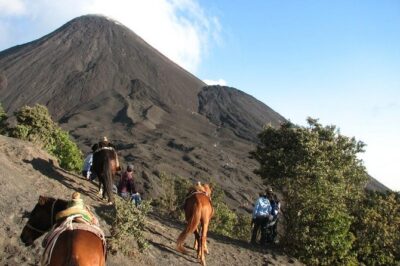
Browse the lists this tour appears in