
Review · COFFEE EXPERIENCES
Coffee Tour in Sacatepéquez with Tasting
Coffee tells a story here. This three-hour visit near Antigua takes you from a family coffee plot in Ciudad Vieja to the cup, with Baudilio and Anna explaining each step themselves. I like the direct connection to the farm, and I like that the tasting shows how the same beans change with different brewing methods. The main drawback is that pickup details may need careful confirmation.
At $55 per person, this is a fair buy if you want more than a quick plantation walk. You get farm time, coffee education, transportation in some arrangements, a tasting, and a snack prepared by Anna. I would plan for a moderate level of physical fitness, and I would not book this as a casual stop if your schedule cannot handle a possible weather change.
In This Review
- What makes this coffee visit worth your morning
- Why Ciudad Vieja gives the tour its character
- Walking through the coffee-growing process
- Meeting a family that takes coffee to the cup
- The tasting explains why brewing changes flavor
- How the timing and transport affect your day
- What $55 buys you in practical terms
- Who will enjoy this most
- Small details that improve the visit
- Is the Ciudad Vieja coffee tour worth booking?
- FAQ
- Where does the coffee tour take place?
- What time does the tour start?
- How long does the experience last?
- How much does the tour cost?
- What will I learn during the farm visit?
- Does the tour include coffee tasting?
- Who leads the experience?
- Is transportation provided?
- Is the tour suitable for everyone?
What makes this coffee visit worth your morning
- A real family-run farm: Baudilio and his family grow, process, roast, and prepare their own coffee.
- Plant-to-cup learning: You see how coffee is cared for, harvested, processed, roasted, ground, and brewed.
- A tasting with a purpose: Several brewing methods show how technique can change the flavor of the same beans.
- A local look at Ciudad Vieja: The tour connects coffee production with daily life and change in the town.
- Warm personal hosting: Baudilio explains the work clearly, while Anna contributes a homemade snack.
- Small-group scale: The maximum group size is 20, allowing a more personal visit than a large commercial plantation tour.
Why Ciudad Vieja gives the tour its character
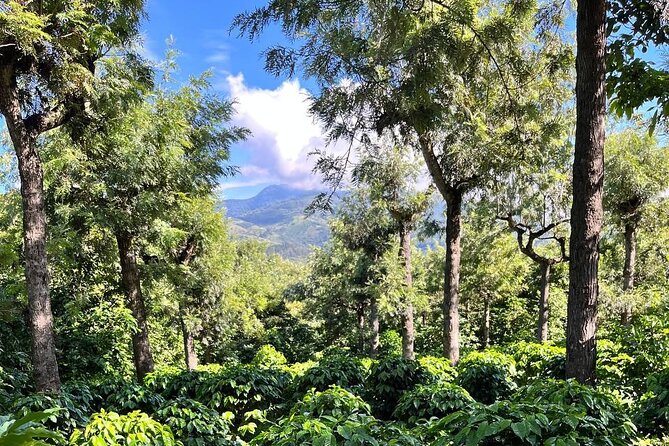
The outing begins at 9:00 a.m. and heads to Ciudad Vieja in the Sacatepéquez area, close to Antigua. This is not simply a coffee-themed activity inside the city. You go to a working growing area and hear from someone who actually handles the crop.
That distinction matters. A large plantation visit can explain coffee well, but a family farm gives you a closer look at the daily work and financial pressure behind each bag of beans. Baudilio explains how the plants are treated, what fertilizers are used, and how the crop is maintained. You also hear how the family works to move coffee from harvest to finished drink.
I like that the visit puts farming before tasting. You first learn that coffee is not a single task. It requires steady care, decisions about plant health, harvesting, and processing long before anyone heats water.
The tour also places the farm within the local setting. You learn how Ciudad Vieja is maintained and how the town has changed over time. The point is not to turn the town into a backdrop. Instead, you get a sense of how coffee production fits into ordinary life in the area.
More Coffee Tours in Antigua Guatemala
- Antigua ATV Coffee Tour
★ 5.0 · 380 reviews - Coffee and Gastronomic Bike Tour in Antigua
★ 5.0 · 284 reviews - Coffee Tour Adventure Antigua Guatemala
★ 5.0 · 121 reviews
Walking through the coffee-growing process
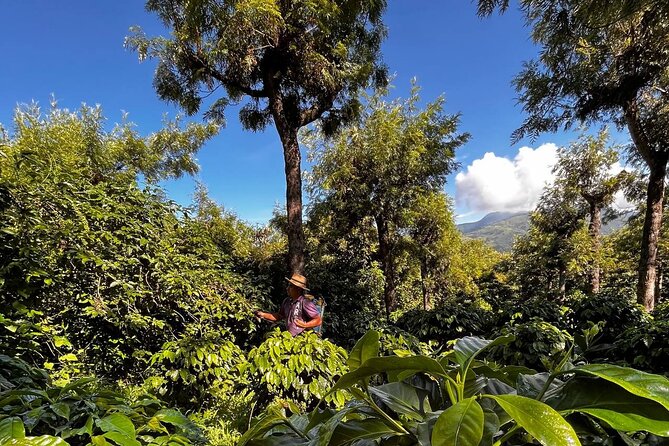
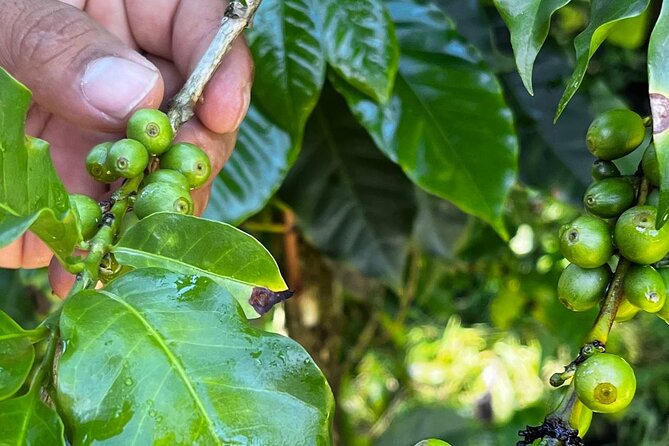
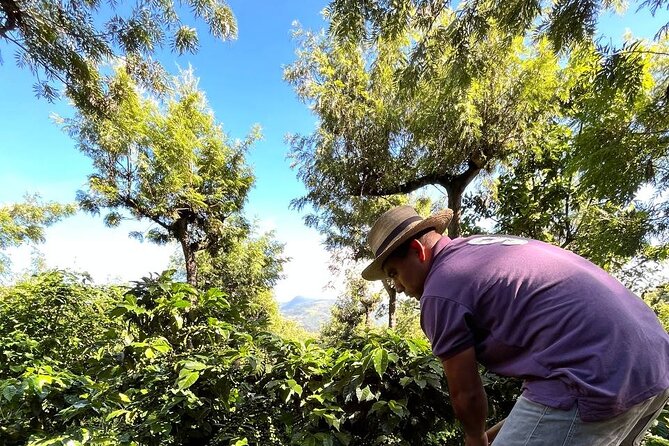
The first part of the experience focuses on the coffee plants and the work required to keep them healthy. Baudilio explains plant care in practical terms, including treatment, fertilizer, and routine maintenance. If the timing and crop conditions allow, you may see or take part in picking coffee beans.
This section should suit you if you like seeing how food is produced rather than only sampling the final product. Coffee beans do not arrive at the roaster ready to use. The farm visit helps you understand the labor between the plant and the kitchen shelf.
One especially useful point is the family scale of the operation. Baudilio and his family do much of the work themselves, including the growing and later stages of production. That gives the visit a personal feel, but it also shows the demands of small-scale farming. The work is not presented as an easy rural idyll. You learn about the effort involved in hand-watering plants and managing a crop through difficult conditions.
Climate change is also part of the conversation. The tour explains some of the challenges facing coffee plants and the families who grow them. This adds weight to the tasting later. Your coffee is no longer an anonymous product. You have seen the land, the plants, and some of the labor behind it.
Expect a working farm, not a polished attraction with every path designed for easy walking. The activity calls for moderate physical fitness. Wear practical shoes and be ready for uneven ground or time spent outdoors. Exact field conditions are not specified, so it is wise to dress for a farm visit rather than a café outing.
Meeting a family that takes coffee to the cup
After the farm portion, the experience continues at the family home, where the coffee is processed, roasted, ground, and prepared. This change of setting is one of the tour’s strengths. You move from the crop itself to the household work that turns beans into something you can drink.
Baudilio handles the coffee explanation, while Anna helps host the tasting and prepares a snack. A simple serving of beans and tortillas has been part of the welcome, giving the visit a local, home-based feel. The snack is a small detail, but it helps the experience feel like an invitation into a family business rather than a scripted stop.
You can ask questions here, and Baudilio is comfortable explaining the coffee journey in English. His focus is not limited to farming. He discusses the processing, roasting, grinding, and brewing stages, which makes the second half useful even if you already know the basics of coffee cultivation.
The family’s role in every stage is important. The people introducing you to the coffee are also the people producing it. That direct link is the heart of the visit and one reason I would choose this over a larger commercial plantation tour if you value local enterprise.
The tasting explains why brewing changes flavor
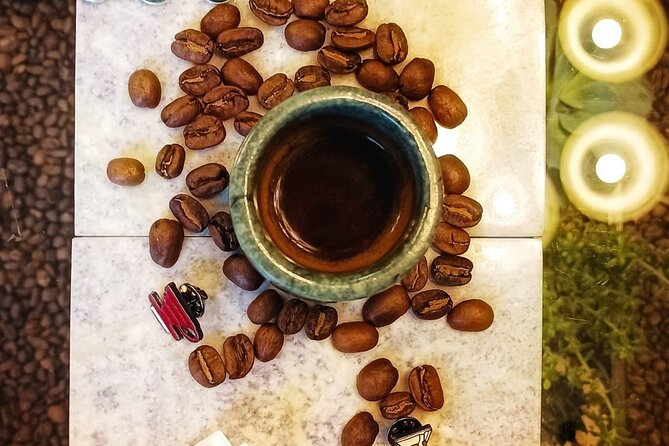
The tasting is more than a final cup after a farm walk. You compare coffee made through different brewing methods, sometimes using the same beans. The result is a clear lesson: preparation can change the taste as much as the bean itself.
This is where the tour becomes useful for your own coffee routine. You get to notice differences created by brewing rather than simply being told that one coffee is better than another. Baudilio explains how the method affects the finished drink, and the comparison gives you a practical way to think about flavor.
The tour also introduces different coffee regions and varietals from Guatemala. You learn that growing conditions affect the taste of coffee, then see how brewing changes that result again. The ideas work together: origin, cultivation, roasting, grinding, and water preparation all influence what reaches your cup.
I especially like this part for people who drink coffee but do not consider themselves experts. You do not need specialized vocabulary to follow the comparison. Taste the cups side by side, notice what changes, and ask questions. The format makes coffee education approachable.
The coffee itself receives strong praise, and the hosts take care with the preparation. Some visitors have found the final coffee good enough to buy and take home. If you plan to purchase beans, bring cash, since that payment detail has been useful for past visitors.
More things to do in Antigua Guatemala:
- From Antigua: Adventure, 2-Day Hiking to Acatenango Volcano
★ 4.4 · 1,189 reviews - From Antigua: Pacaya Volcano Tour in English/Spanish
★ 4.5 · 930 reviews - From Antigua: Pacaya Volcano Trek
★ 4.4 · 798 reviews - Antigua Cultural Walking Tour
★ 4.5 · 725 reviews
How the timing and transport affect your day
The tour lasts about three hours, beginning at 9:00 a.m. That makes it a manageable morning activity in an Antigua itinerary. You should have time afterward for lunch or another afternoon plan, although the exact travel time between Antigua, the farm, and the home is not provided.
Transportation arrangements deserve attention. Some bookings include pickup and drop-off at a hotel or a nearby point, and riding in the back of the truck has been part of the experience for some people. That ride can feel like a memorable local touch, but it is not the same as a standard tourist shuttle.
There has been at least one reported problem involving a canceled pickup and a new departure point at a park without clear signs. That does not erase the quality of the farm visit, but it is a useful warning. Confirm the meeting point and pickup plan before the morning of the tour, especially if you are staying somewhere outside central Antigua.
The group limit is 20 people. That is not an ultra-private outing, but it is still smaller than a large bus-based plantation visit. Group size may affect how much time you get for questions, so if a personal conversation with the farmer matters to you, arrive ready to participate rather than hang back.
The activity requires good weather. If poor weather cancels it, you can choose another date or receive a full refund. The standard booking itself is non-refundable and cannot be changed for personal reasons, so check your plans before paying.
What $55 buys you in practical terms
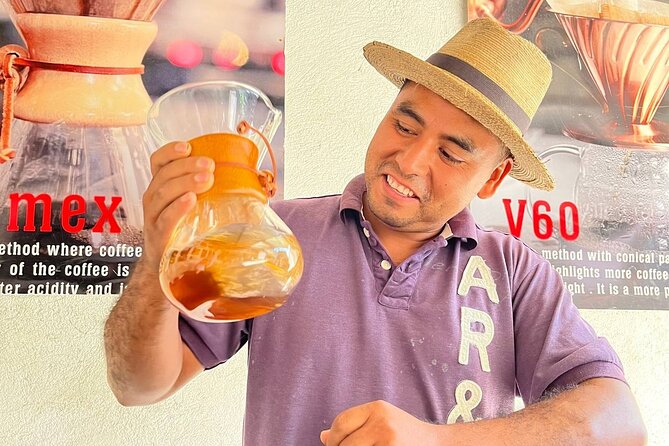
At $55, this is not the cheapest coffee tasting in Antigua. You are paying for a three-hour experience outside the city, a working farm visit, direct instruction from the owners, the production story, a snack, and a tasting that compares brewing methods.
I consider the price reasonable for the right audience. If you only want a good cup of Guatemalan coffee, a café will cost less and take less time. If you want to understand how that coffee is grown and prepared, the farm connection gives the price a stronger case.
The value also comes from the small family business. Your money supports a coffee-growing household rather than only passing through a large commercial operation. You see how the family is involved in the business, from the crop to the finished drink.
The cost makes less sense if you dislike outdoor activity, have no interest in the production process, or need a perfectly fixed schedule. The farm and tasting are the main attractions, so people who want a fast photo stop may find the visit too detailed.
Who will enjoy this most
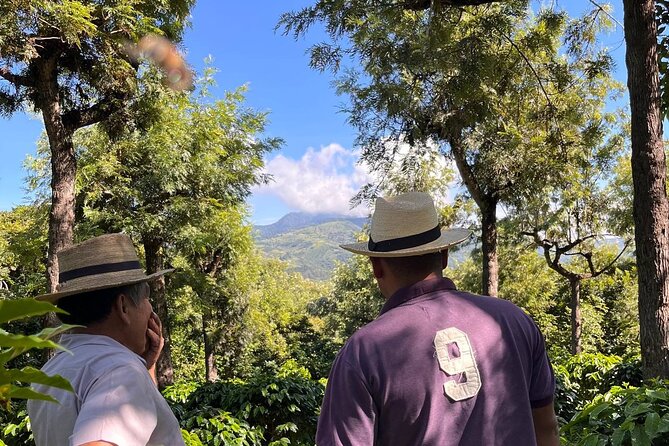
I would recommend this tour to coffee drinkers who want to understand what they are tasting. It is also a good fit for anyone interested in family farming, local business, and the realities of agricultural work in Guatemala.
Solo visitors can join comfortably, and the experience also suits couples, friends, and families. Groups of six have found the format easy to enjoy, while the maximum of 20 keeps it from becoming a huge operation.
You do not need to be a coffee professional. Baudilio’s explanations cover the basics and leave room for questions. The brewing comparison gives beginners something concrete to notice, while more serious coffee fans can ask about processing, regions, roasting, and flavor.
I would think twice if you have limited mobility or want a fully polished, indoor activity. The tour calls for moderate physical fitness, includes time at a farm, and depends on good weather. It is also less suitable if a change in pickup arrangements would cause major stress.
Small details that improve the visit
A few simple choices can make the morning easier:
- Confirm the pickup or meeting point before setting out.
- Wear shoes suited to a working farm.
- Leave room in your bag for coffee if you want to buy beans.
- Bring cash for coffee purchases.
- Keep your schedule flexible in case weather affects the date.
- Ask about the brewing methods as you taste, since comparison is one of the most useful parts of the visit.
Do not treat the tasting as an afterthought. Pay attention to the same beans prepared in different ways. That comparison may be the most practical lesson you take home.
Is the Ciudad Vieja coffee tour worth booking?
Yes, if you want a personal, family-run coffee experience rather than a polished commercial attraction. The strongest reason to book is the full path from plant care to finished cup, explained by Baudilio and Anna, the people doing the work.
I would book it for a morning when you can take your time, confirm the meeting details, and accept some outdoor conditions. At $55, it offers good value through access, instruction, tasting, and local connection. Skip it if you only want a quick coffee or need a fully predictable, no-walking outing.
For coffee lovers in Antigua, this is one of the more meaningful ways to spend three hours. You leave with a better idea of what small-scale coffee farming demands, and you may also leave with beans for another cup at home.
FAQ
Where does the coffee tour take place?
The tour takes place in Ciudad Vieja, in Guatemala’s Sacatepéquez area near Antigua, with part of the experience at the family home.
What time does the tour start?
The scheduled start time is 9:00 a.m.
How long does the experience last?
The experience lasts approximately three hours.
How much does the tour cost?
The listed price is $55 per person.
What will I learn during the farm visit?
You will learn how coffee plants are cared for, including treatment, fertilizer, maintenance, harvesting, and the work involved in moving coffee from the farm to the cup.
Does the tour include coffee tasting?
Yes. You will taste coffee and compare how different brewing methods affect the flavor.
Who leads the experience?
Baudilio, the coffee farmer and owner, leads the farm and coffee explanations. His wife, Anna, also helps host the experience.
Is transportation provided?
Pickup and drop-off at a hotel or a nearby point have been available for some arrangements. Because meeting details can change, confirm the exact pickup or departure point before the tour.
Is the tour suitable for everyone?
The activity requires a moderate level of physical fitness and good weather. Service animals are allowed, and the tour is near public transportation. The maximum group size is 20 people.
More Food Tours in Antigua Guatemala
- Street Food Evening Tour in Antigua
★ 4.5 · 215 reviews - Antigua Guatemala: Street Food Walking Tour with Tastings
★ 4.8 · 87 reviews - Street Food Tour Around Antigua
★ 5.0 · 67 reviews - Foodie & Street Food Tour in Antigua
★ 5.0 · 56 reviews
Just added in Antigua Guatemala
- Full day Antigua Guatemala from Quetzal Port★ 4.5 · 7 reviews
- Private transfer from Panajachel to Antigua Guatemala★ 5.0 · 2 reviews
- Guatemala Airport Roundtrip Transfer to Antigua Guatemala★ 3.5 · 5 reviews
- Colonial Antigua Guatemala walking tour & Hot Springs from Guatemala City★ 3.0 · 2 reviews
- Antigua Guatemala Full Day Tour★ 3.0 · 2 reviews
- Visit Antigua Guatemala and its colorful towns around – Private full-day tour★ 4.5 · 4 reviews
- Airport Transfer to Antigua Guatemala★ 3.0 · 2 reviews
- Iximché : Spiritual Ritual with a Mayan Priest★ 5.0 · 1 review
Coffee Experiences, compared.
San Salvador: Full Day Ruta de Las Flores and Coffee Farm
Read our review →

From Antigua or Guatemala : Coffee & Culture Full-Day Tour
Read our review →Browse the lists this tour appears in