
Review · MAYA HERITAGE TOURS
Lake Atitlan: Mayan Ceremony at the Sacred Caves
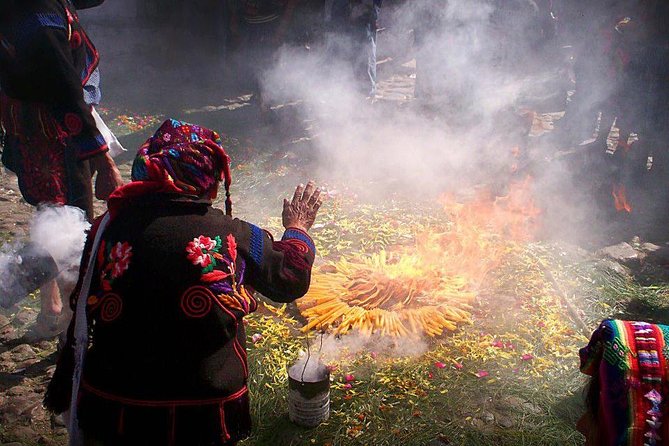
Sacred fire, steep trails, and huge lake views. This two-hour outing from Panajachel gives you a close look at living Maya tradition, not just a quick cultural talk. I especially like the chance to take part in a fire cleansing and protection ceremony, and I like that the small group size, limited to eight people, allows time for real questions. The views from Eagle Rock, about 1,200 feet above Lake Atitlan, add a thrilling outdoor edge.
The main thing to consider is the short but steep hike over uneven ground. The cave ceremony can also be smoky, leaving soot on your skin and clothes. A ceremony is performed on most days but is not guaranteed, so you should book this for the cultural setting and guide rather than for a promised ritual alone.
In This Review
- Key points to know before you go
- Why this Lake Atitlan outing feels different
- Leaving Panajachel for the cave trail
- The short hike to Nimajay and the other caves
- Taking part in the fire cleansing ceremony
- Learning the Maya calendar one day at a time
- Eagle Rock and the Lake Atitlan view
- San Simon, the church, and the waterfall
- Is $108 a fair price?
- What to wear and bring
- Who should book this experience?
- Should you book the sacred caves tour?
- FAQ
- Where does the tour meet?
- How long does the experience last?
- How much does the tour cost?
- Is transportation included?
- Are entrance fees included?
- Is the Maya ceremony guaranteed?
- What are the four sacred caves called?
- How difficult is the walk to the caves?
- Are food, drinks, or a personal blessing included?
Key points to know before you go
- The ceremony is the heart of the outing: A Maya guide explains the fire ritual, its purpose, and the meaning of the Maya calendar.
- Four sacred caves form the setting: Nimajay, San Simon, Singing, and Colorado have been used for centuries for fire cleansing and protection ceremonies.
- Eagle Rock brings the drama: From roughly 1,200 feet above the lake, you look across Lake Atitlan and its volcanic caldera with open air around you.
- The hike is short but not effortless: The first cave is reached in no more than 20 minutes, with a steep section and uneven terrain.
- The price covers the basics: At $108 per person, you get entrance fees and round-trip transport from Panajachel, but not food, drinks, or a personal shaman offering.
- Alex is a major part of the appeal: His warmth, patience, and clear explanations have made this a powerful experience for many people who joined him.
Why this Lake Atitlan outing feels different
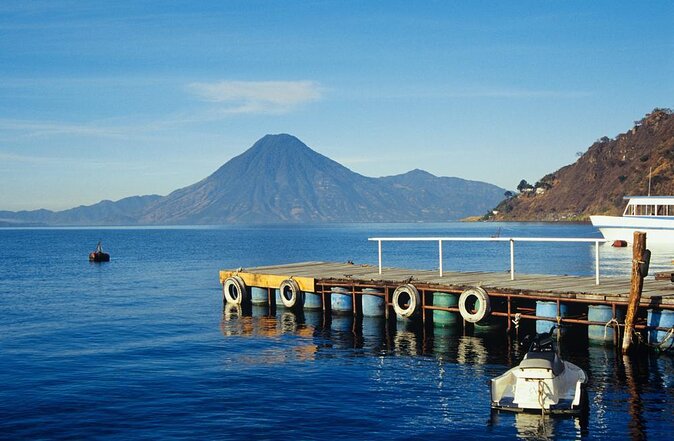
Lake Atitlan is easy to admire from a boat, dock, or café. This outing asks you to leave the waterline and climb into the hills above the lake, where caves, shrines, churches, and local ritual come together.
That change of setting matters. The ceremony takes place in a sacred place used by Maya people for generations. You are not simply looking at a costume or watching a staged dance. You are being introduced to a practice that remains part of local religious life.
The tour also gives useful context. Your guide explains why the fire ceremony is performed and how each day of the Maya calendar has its own meaning. That helps you understand the ritual instead of treating it as a mysterious photo opportunity.
The experience has a spiritual tone, but you do not need to share the beliefs to appreciate it. I would approach it with respect, attention, and a willingness to listen. The best part is the chance to learn from a guide connected to the culture and community, rather than trying to interpret the ceremony on your own.
More Maya Heritage Tours in Lake Atitlan
- Lake Atitlan: Mayan Ceremony at the Sacred Caves
★ 5.0 · 52 reviews - Maya Cooking Class from Panajachel
★ 5.0 · 20 reviews - Lake Atitlan Lower Mayan Trail Hiking Tour from Panajachel
★ 4.5 · 15 reviews
Leaving Panajachel for the cave trail
The meeting point is the Xocomil Travel office at the Tzanyuyu docks, Calle del Embarcadero 4-86 in Panajachel. Round-trip transportation from Panajachel is included, along with entrance fees.
The ride to the trailhead is part of the local feel of the outing. One account describes traveling by chicken bus, a colorful and practical form of public transport in Guatemala. The exact transport arrangements can vary, and one person reported a pickup misunderstanding, so confirm the meeting details before you set out.
The tour lasts about two hours. That is enough time for the main ceremony and nearby sights, but it is not a slow, full-day village tour. You will want to arrive ready to move rather than expecting a long stop for lunch or extended free time.
The group limit is eight people. That is a good size for a ritual that requires quiet and explanation. It also gives you a better chance to ask about the calendar, the cave, or the relationship between Maya beliefs and Christianity.
The short hike to Nimajay and the other caves
From the trailhead, the walk to the first cave takes a maximum of about 20 minutes. Do not let the short distance fool you. The route includes a steep section, elevation change, and uneven terrain.
Sturdy shoes are the right choice. Wear clothes that can get dirty, since smoke and soot are part of the ceremony. A summer dress may look good in photos but is less useful on a rough trail and inside a smoky cave.
The four caves are named Nimajay, San Simon, Singing, and Colorado. They have been used for centuries for fire cleansing and protection ceremonies. The cave entrance is the point where the outing shifts from a hike with a view to a cultural encounter.
You may feel the setting before you understand it. The caves are described as holy places, and highland Maya communities travel for hours to reach them. Your guide can explain the role of the caves and help you behave respectfully around the ritual space.
The name San Simon connects the cave area with Maximon, a Maya folk saint whose worship reflects the blending of older Maya traditions with colonial Christianity. That mix is one of the most interesting parts of the visit. Guatemala’s religious life is not divided into neat boxes, and this stop gives you a direct way to see that.
Taking part in the fire cleansing ceremony

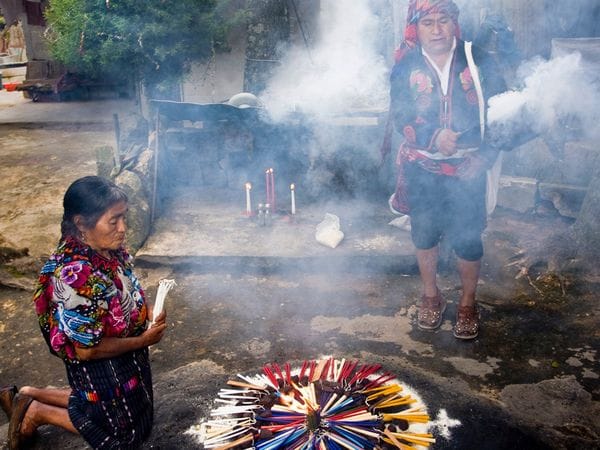
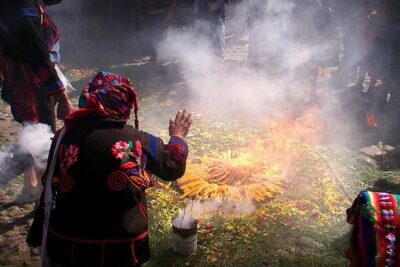
The fire ceremony is the reason to choose this outing. It is used for cleansing and protection, and the guide explains the stages and meaning as the ritual unfolds.
The ceremony may be performed by shamans on most days, but it is not guaranteed. Some bookings may include participation in a ceremony arranged for the group, while on another day you might mainly learn about or witness the practice. That distinction matters, so ask about the plan when booking if the ceremony itself is your top priority.
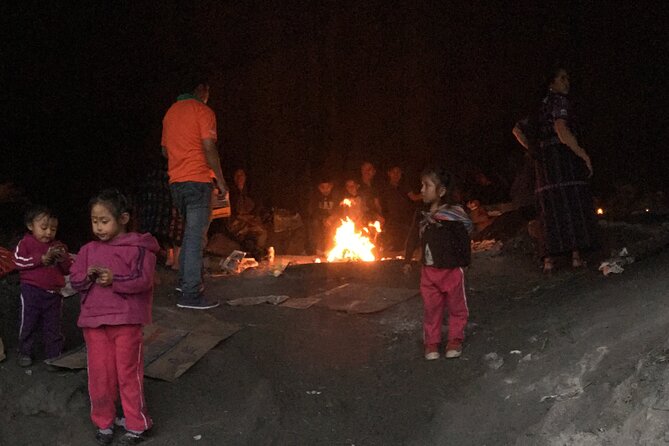
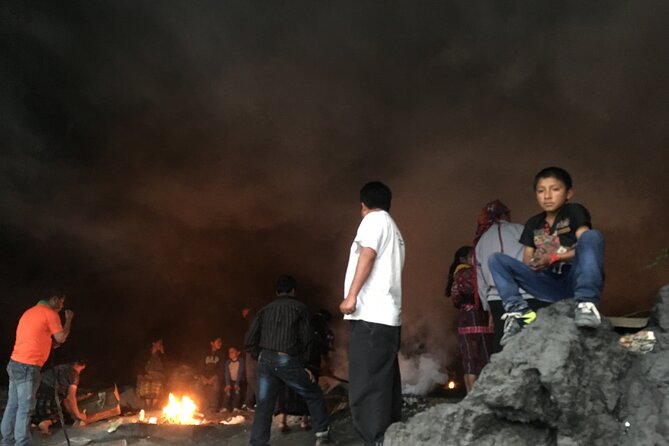
When the fire is burning, expect smoke. Soot can collect on your skin and clothing, and one participant specifically warned that the ceremony left a lot of black residue. Wear practical clothes and avoid anything you would worry about staining.
The guide’s role makes a major difference here. Alex has been praised for explaining each part patiently, answering many questions, and guiding people with care. He is described as a Maya guide with strong ties to his community, and his personal approach helps keep the ceremony from feeling like a performance.
You are not required to arrive with special knowledge. Listen first, follow the guide’s instructions, and treat the cave as a sacred place rather than a backdrop. If you want an individual blessing, you can make an optional offering to the shaman. That payment is not included in the tour price.
I like that the ceremony comes with explanation. Without context, fire, smoke, offerings, and calendar signs could seem confusing. With a good guide, the details become a way to understand how Maya spirituality continues in daily life.
More around Lake Atitlan:
- Lake Atitlan Villages Tour on ATV
★ 5.0 · 525 reviews - From Antigua: 2-Day Acatenango Volcano Hiking with Guide
★ 4.1 · 366 reviews - Lake Atitlán Sunset Tour
★ 5.0 · 171 reviews - Panajachel: Lake Atitlan Villages ATV Tour
★ 4.8 · 65 reviews
Learning the Maya calendar one day at a time
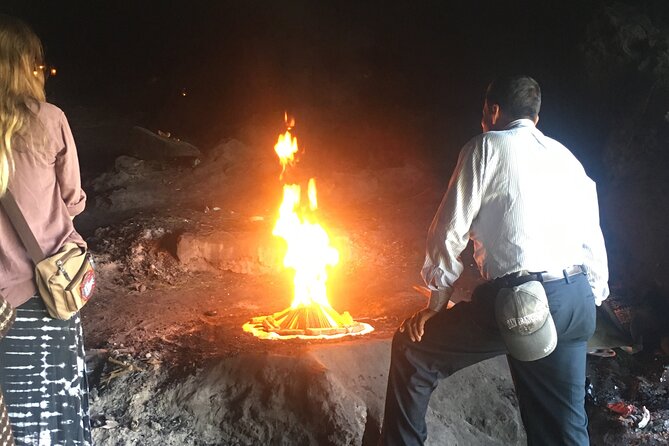
The Maya calendar is not just a date system in this setting. Each day has a particular meaning, and your guide explains how those meanings relate to the ceremony and to Maya thought.
This is one of the strongest educational parts of the outing. You are not handed a long lecture about ancient history. Instead, the calendar is connected to the ritual happening in front of you.
The guide can also explain how Maya religion and Christianity have mixed over time. The San Simon or Maximon shrine and the colonial church help make that relationship visible. This combination may interest you most if you want to understand Guatemala as it is lived today, rather than studying an isolated precolonial past.
The quality of the explanation depends on the guide assigned to your group. Alex has received especially strong praise for his warmth and clear teaching, while another booking involved Lee helping arrange the guiding. Ask who will lead your outing if having a particular guide matters to you.
Eagle Rock and the Lake Atitlan view
At about 1,200 feet above Lake Atitlan, the cave area provides more than a cultural stop. You also get a strong mountain viewpoint.
Eagle Rock is the dramatic high point. From the top, the ground drops sharply around you, and the view opens across the lake and its caldera. The name makes sense when you are standing above the water with open air on several sides.
This is not a fenced city overlook with a wide paved platform. The description of the rock emphasizes exposure, so take care near the edge and follow your guide’s direction. The combination of a sacred site and a high perch gives the outing a memorable rhythm: quiet ritual below, vast volcanic scenery outside.
If you have limited time in the Lake Atitlan area, this pairing is useful. You get a cultural lesson, a walk, and a major view in one compact trip. The tradeoff is that the visit cannot spend a long time at each location within a two-hour schedule.
San Simon, the church, and the waterfall
The outing can also include the shrine of San Simon or Maximon, a colonial church, and a 200-foot waterfall. These additions broaden the experience beyond the caves.
The San Simon shrine is particularly valuable for understanding the meeting of Maya and Christian traditions. The colonial church adds another layer, showing how religious life in the area developed through contact and change.
The waterfall provides a physical finish to the route. A 200-foot drop is an impressive sight, but the supplied details do not specify exactly how much walking is required to reach it or how long you stay there. Since the tour is only two hours, confirm which stops are included in your departure’s schedule.
Do not expect every outing to feel identical. The ceremony is not guaranteed, and the time spent at the waterfall, church, or shrine may depend on conditions and the day’s arrangement. I would think of these as possible additions to a cave-focused tour, not separate full visits.
Is $108 a fair price?
The cost is $108 per person. That is not a bargain-price local outing, especially for a tour lasting only two hours.
Still, the price includes round-trip transportation from Panajachel and entrance fees. You are also paying for a small group, a guide who can interpret the ceremony, and access to a sacred place that would be difficult to understand or visit on your own.
The value improves if you care about cultural access and personal guiding. The experience is not just transport to a viewpoint. It combines the cave visit, the ceremony when available, explanations of the Maya calendar, Eagle Rock, and possible visits to the shrine, church, and waterfall.
Food and drinks are not included. You should plan around that, especially if you are connecting this outing with other activities in Panajachel. A personal blessing or shaman offering is optional and costs extra.
I would not choose this tour if you want the cheapest way to see Lake Atitlan from above. I would consider it good value if your priority is an intimate cultural experience with transport arranged and a guide who can explain what you are seeing.
What to wear and bring
The practical advice is simple:
- Wear sturdy shoes with good grip.
- Choose clothes that can handle smoke, soot, dirt, and a short steep hike.
- Avoid clothing that stains easily.
- Bring water, since food and drinks are not included.
- Allow room in your plan for the hike and uneven ground.
- Keep your attention on the guide near Eagle Rock.
The most important tip is to dress for the cave, not just the lake view. The photos may tempt you toward light vacation clothes, but the route and fire ceremony reward sensible gear.
The experience is not described as requiring special equipment. It is a short outing, but the terrain means you should be comfortable walking uphill and over uneven ground.
Who should book this experience?
I would recommend it to you if you want to meet Maya culture through a living local practice. It suits people who enjoy asking questions, listening to a guide, and giving a sacred place the respect it deserves.
It is also a good fit if you want more than a standard Lake Atitlan viewpoint. Eagle Rock supplies the big scenery, while the caves provide the emotional and cultural focus.
You may want to skip it if you dislike smoke, steep paths, exposed viewpoints, or dirty clothing. It is also not the best match if you need a fixed, guaranteed ceremony, since the ritual is available on most days but not promised.
The small group limit helps keep the tone personal. Alex’s warmth has been a major strength, and his patience is useful if you have many questions or are unfamiliar with Maya ritual. The guide’s attitude matters here more than polished entertainment.
Should you book the sacred caves tour?
Book it if you want a compact but meaningful introduction to Maya spiritual life near Lake Atitlan. The ceremony, the four sacred caves, and the calendar lesson give the outing substance, while Eagle Rock and the waterfall keep it from feeling like an indoor cultural talk.
At $108, it is a considered purchase, not an impulse activity. You are paying for access, transport, interpretation, and the chance to participate respectfully in a ceremony that feels connected to the local community.
Before booking, confirm the meeting details, ask about the day’s ceremony plans, and wear shoes and clothing you can scuff or soil. If those conditions suit you, this is one of the more memorable ways to spend two hours around Panajachel.
FAQ
Where does the tour meet?
You meet at the Xocomil Travel office at the Tzanyuyu docks, Calle del Embarcadero 4-86, 07010 Panajachel, Sololá Department, Guatemala.
How long does the experience last?
The activity lasts about two hours. Starting times vary, so you need to check availability for the date you want.
How much does the tour cost?
The listed price is $108 per person.
Is transportation included?
Yes. Round-trip transportation from Panajachel to the trailhead is included.
Are entrance fees included?
Yes. Entrance fees are included in the price.
Is the Maya ceremony guaranteed?
No. Shamans perform the ceremony on most days, but it is not guaranteed.
What are the four sacred caves called?
The caves are named Nimajay, San Simon, Singing, and Colorado.
How difficult is the walk to the caves?
The walk to the first cave takes no more than 20 minutes, but it includes a short, steep section, elevation change, and uneven ground.
Are food, drinks, or a personal blessing included?
Food and drinks are not included. An optional offering to the shaman for your own blessing is also extra.
More Maya Heritage Tours in Panajachel
- Iximche Mayan Ruin from Panajachel
★ 5.0 · 10 reviews - Lake Atitlán, Three Mayan Villages Tour
★ 5.0 · 5 reviews - Tour a NGO non profit Vocational Training Center Amigos de Santa Cruz and explore the Mayan village
★ 5.0 · 4 reviews - Lower Mayan Trail: San Marcos to Santa Cruz 4-Hour Hike
★ 4.9 · 3 reviews
Just added in Panajachel
- sunset tour★ 5.0 · 4 reviews
- Tour a NGO non profit Vocational Training Center Amigos de Santa Cruz and explore the Mayan village★ 5.0 · 4 reviews
- Temazcal sauna and dinner, cultural sharing experience★ 5.0 · 6 reviews
- Get to know San Marcos, San Pablo, San Juan and San Pedro by bicycle★ 4.0 · 1 review
- Shared Transportation from Panajachel or Lake Atitlan to Antigua★ 3.5 · 4 reviews
- Boat tour in Mayan villages★ 5.0 · 1 review
- Shared Transport from Panajachel, Lake Atitlan to Guatemala City★ 3.0 · 3 reviews
- Quetzaltenango and Fuentes Georginas Hot Springs from Panajachel★ 3.0 · 2 reviews
Maya Heritage Tours, compared.
Lake Atitlan: Mayan Ceremony at the Sacred Caves
Read our review →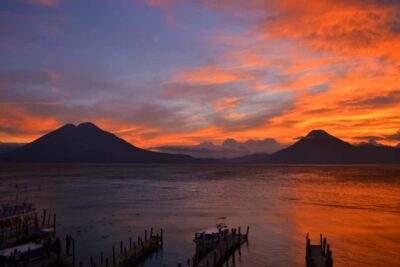
3 Mayan Villages Tour to Lake Atitlan (full day)
Read our review →
Tour to Tikal: from Mundo Maya Airport in Flores
Read our review →
Lake Atitlan Cultural Tour Exploring Mayan Villages
Read our review →Browse the lists this tour appears in