
Review · MAYA HERITAGE TOURS
Lake Atitlan: Mayan Ceremony at the Sacred Caves
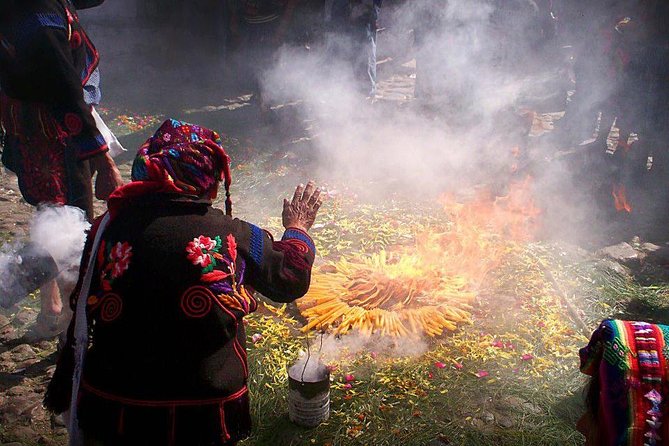
Sacred caves, living Maya tradition. This small-group outing from Panajachel gives you a rare look at a fire cleansing and protection ceremony still practiced by Maya families today. I especially like the chance to learn directly from a local guide such as Alex, Mario, or Humberto, and the dramatic views from the cave area high above Lake Atitlan.
I also like that the experience is not polished into a simple tourist show. Local families may be carrying out their own rituals nearby, and the guide explains the meaning of the fire, candles, offerings, and Maya calendar. The main caution is practical: the cave can be hot, smoky, and sooty, and the rocky trail is more demanding than the two-hour duration suggests.
In This Review
- Key points to know before you go
- Why this Lake Atitlan ceremony feels different
- From Panajachel to the trailhead
- The short hike is not quite a casual stroll
- Entering Nimajay, San Simon, Enchanted, or Colorado
- What the fire cleansing ceremony means
- The Maya calendar and local spiritual life
- Eagle Rock and the view over the caldera
- How the $118 price measures up
- Who should book this experience?
- Practical preparation for the Sacred Caves
- Should you book the Mayan ceremony at the Sacred Caves?
- FAQ
- Where does the Mayan ceremony tour start?
- How long does the Sacred Caves experience last?
- How far is the walk to the first cave?
- What are the caves called?
- Is the Mayan fire ceremony guaranteed?
- What happens during the fire ceremony?
- Can I have my own ceremony?
- What should I wear?
- Is the tour suitable for children?
- How many people can join the tour?
- Are transport and a guide included?
- Can I cancel for a full refund?
Key points to know before you go
- The ceremony takes place in sacred caves above Lake Atitlan, not in a staged cultural center.
- The first cave is reached by a walk of up to 20 minutes, with slippery and rocky sections.
- Fire, smoke, ash, burnt seeds, and eggs are part of the ritual setting, so wear old clothes and sturdy shoes.
- A local guide explains Maya beliefs, ceremony customs, and the Maya calendar before and during the visit.
- The outing is limited to 10 people, though private ceremony options may also be available.
- The $118 price includes a local guide, while materials for your own ceremony cost extra.
Why this Lake Atitlan ceremony feels different
Lake Atitlan has no shortage of boat rides, village walks, and lookout points. This outing offers something less familiar: a chance to enter a sacred place where Maya spiritual practice continues in the present day.
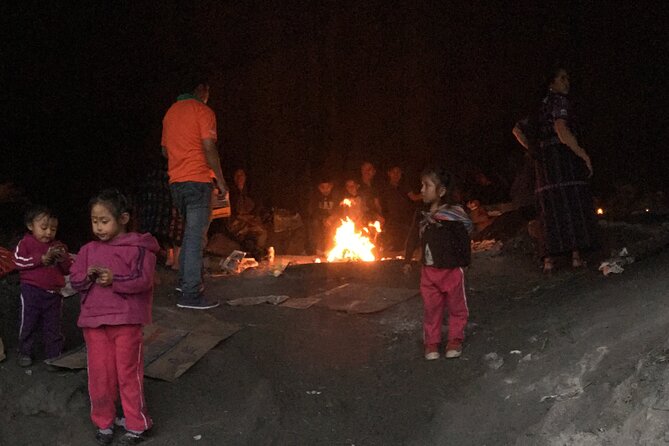
The caves are known locally by several names, including Nimajay, San Simon, Enchanted, and Colorado. Maya communities have used them for fire cleansing and protection ceremonies for centuries. That history matters, but the important point is that these are not simply archaeological remains. People still come here to pray, make offerings, and carry out ceremonies.
That living connection changes the tone of the visit. You are not just looking at an old shrine or listening to a speech about the past. You are being asked to approach a religious place with care. Your guide should explain what is happening and help you take part respectfully, rather than treating the ceremony like a performance.
Alex has received particular praise for explaining the customs clearly and making people feel at ease. Mario has also been valued for his explanations of local places and traditions. Guides may differ from day to day, but the strongest part of this experience is the personal connection between guide, shaman, and small group.
More Maya Heritage Tours in Lake Atitlan
- Lake Atitlan: Mayan Ceremony at the Sacred Caves
★ 4.8 · 37 reviews - Maya Cooking Class from Panajachel
★ 5.0 · 20 reviews - Lake Atitlan Lower Mayan Trail Hiking Tour from Panajachel
★ 4.5 · 15 reviews
From Panajachel to the trailhead
The meeting point is near the ferry area in Panajachel. From there, your guide arranges the transfer toward the trailhead. Some outings use a local chicken bus for part of the trip, while other arrangements can include a van or pickup, depending on the group and timing.
For many people, the chicken bus is part of the appeal. It gives you a brief look at ordinary highland transport instead of moving from hotel to attraction in a private bubble. It can also make the outing feel more connected to daily life around the lake. Still, you should allow some flexibility. Easter weekend traffic and ferry connections have caused delays for some people, and the trip may involve more than one form of transport.
The guide is especially useful here. Humberto, for example, has helped with last-minute transport when schedules became tight. That kind of local assistance can be valuable if you are linking this outing with another activity, though you should avoid booking the ceremony too close to a separate fixed departure.
The experience is listed at about two hours. That is a useful estimate, but the actual day can depend on transport, ceremony timing, group size, and how long you spend at the viewpoints. The group limit of 10 keeps the outing reasonably personal, and some departures may be much smaller.
The short hike is not quite a casual stroll
From the drop-off point, you walk toward the first cave. The stated maximum is about 20 minutes, and several people describe the walk as manageable. The distance is not the main issue. The trail can be rocky, steep, slippery, and exposed in places.
Wear shoes with good grip. A walking stick may help, especially on the descent or if you are uneasy on uneven ground. One account describes precarious sections on the mountainside, while others found the walk easy enough in sneakers. Your comfort will depend on your fitness, footwear, weather, and experience with hills.
This is an important point for families. The activity does not require advanced hiking skills, but it is not ideal for every child. Some children may dislike the heat, smoke, or spiritual focus. Tall people may also find parts of the cave uncomfortable, and anyone with respiratory problems should think carefully about entering a smoky space.
Bring water. Bottled water is not necessarily supplied, and one person specifically wished they had been told to carry some. You should also dress for heat and dirt, not for photographs.
Entering Nimajay, San Simon, Enchanted, or Colorado
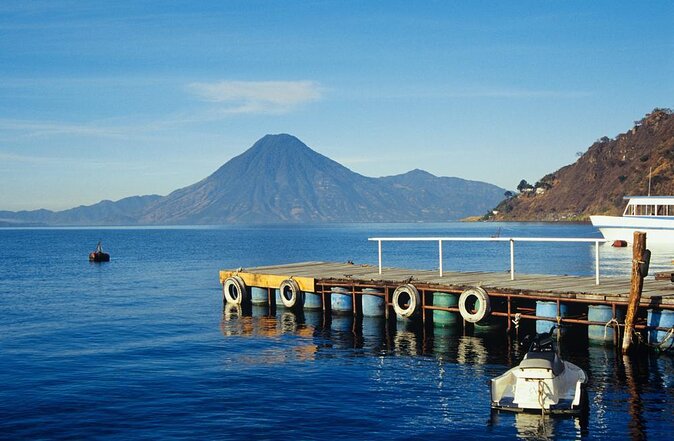
The cave area sits about 1,200 feet above Lake Atitlan. The four named caves have different local associations, but the main visit generally centers on the first cave reached from the trail.
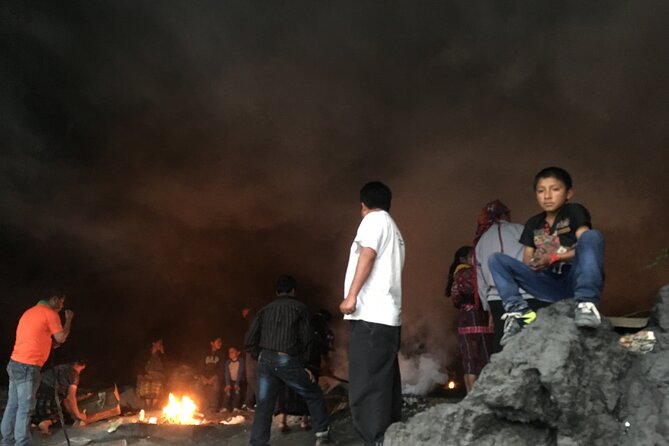
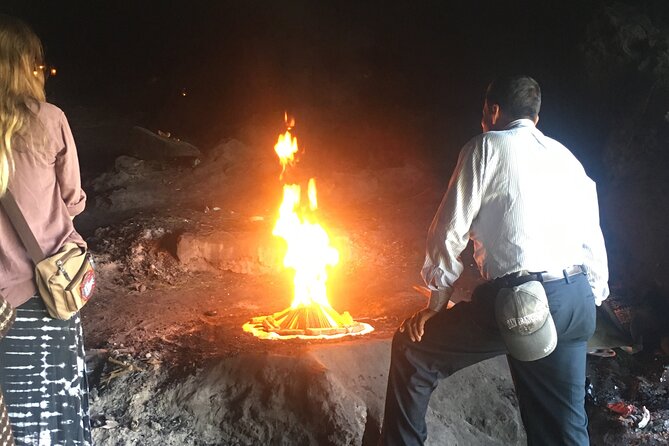
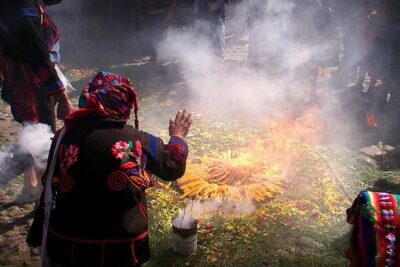
Inside, conditions can change quickly. The cave may feel very hot, smoky, and crowded if other families are carrying out ceremonies. Fire burns throughout the ritual, and the smoke can cling to your hair and clothing long after you leave. Ash and soot may cover your shirt, arms, or face.
Wear simple clothes that you do not mind marking. A white shirt is a poor choice. Clothing can be washed, but one family found that smoke and soot permanently damaged a child’s white T-shirt.
The fire ceremony may include candles, flowers, seeds, eggs, and other offerings. Some ingredients pop or burn unexpectedly. The exploding eggs and snapping seeds are not a reason to panic, but they are a reminder that this is a real fire ceremony, not a quiet meditation session.
The cave is also a place of worship. Local Maya families may be conducting their own rituals during your visit. That can be one of the most meaningful parts of the outing, since you see the site being used for its intended purpose. It also means you need to keep your voice low, follow your guide’s instructions, and accept that the exact schedule may not be fully under your control.
More around Lake Atitlan:
- Lake Atitlan Villages Tour on ATV
★ 5.0 · 525 reviews - From Antigua: 2-Day Acatenango Volcano Hiking with Guide
★ 4.1 · 366 reviews - Lake Atitlán Sunset Tour
★ 5.0 · 171 reviews - Panajachel: Lake Atitlan Villages ATV Tour
★ 4.8 · 65 reviews
What the fire cleansing ceremony means
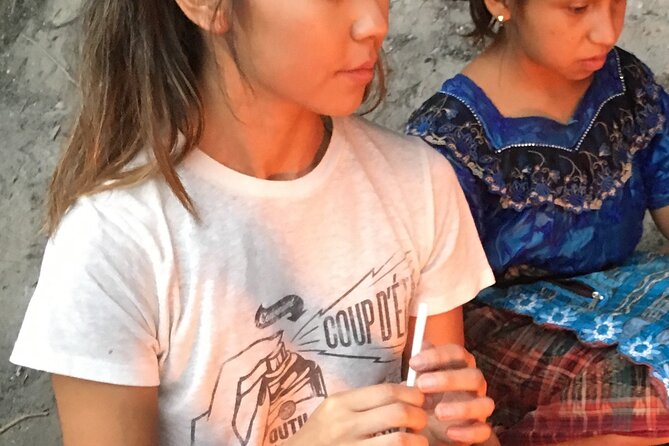
The shaman leads a fire cleansing and protection ceremony, with the guide explaining the actions and symbols in English or another language available for the group. The exact form can vary, but you may be invited to think about a personal intention, say a prayer, light a candle, or take part in a cleansing.
The ceremony is connected to Maya spiritual beliefs about energy, protection, ancestors, and the relationship between people and the natural world. Your guide may also explain parts of the Maya calendar and why particular days or rituals have special meaning.
You do not need to arrive with a fixed religious belief. But you should arrive with respect. The ceremony is not best treated as a novelty or a photo opportunity. One guide has encouraged people to approach it with purpose and intention, while still allowing each person to interpret the moment personally.
Private options may provide a more intimate setting. Some participants have worked with shamans named Carlos or Marcelino, with a guide such as Mario or Alex translating and explaining the process. Materials for your own ceremony are not included in the $118 price and are available for an additional fee.
Ask about the extra cost before the ceremony begins. The included experience focuses on observing and learning, while a personal ritual adds another layer and a separate charge.
The Maya calendar and local spiritual life
The cultural explanation is what keeps this from being only a scenic hike. A good guide places the fire ceremony within Maya life and explains how traditional beliefs can exist alongside Catholic practice in Guatemala.
The San Simon or Maximon shrine is part of that story. San Simon, also known as Maximon, reflects the way local religious life can combine Maya customs with colonial and Catholic influences. You may also visit a colonial church, giving you a chance to see these traditions in the wider setting of the highlands.
The Maya calendar is another important part of the discussion. Your guide can explain its unique meanings and how particular dates relate to ceremony and spiritual practice. If this subject interests you, ask questions early. One useful improvement would be a simple printed guide showing the placement of the ceremony’s elements and explaining what each offering represents.
The best guides do more than translate words. Alex has been praised for describing his own training and relationship with the tradition. Other guides have helped people buy Maya calendars or stop for lunch at a local market in Panajachel. Those extras are not guaranteed, but they show the value of having someone who can interpret local customs rather than just lead you down a trail.
Eagle Rock and the view over the caldera
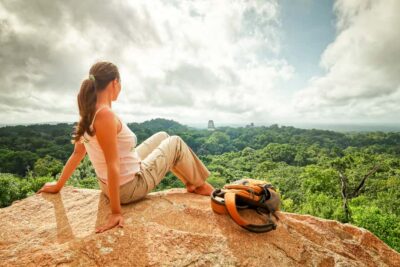
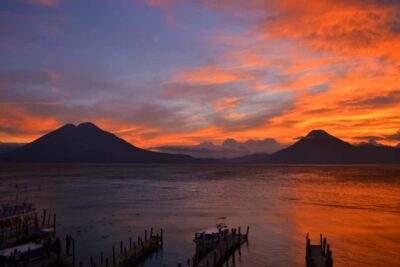
After the cave, the outing may continue to a high viewpoint known as Eagle Rock. Here, the ground drops sharply, and Lake Atitlan spreads below with the volcanic caldera around it.
This is a powerful contrast to the cave. Inside, the air is hot and smoky, and your attention narrows to the fire and ceremony. Outside, you have open air and a wide view. The guide may give you time for quiet reflection before you return.
Use care near the edge. The viewpoint is exposed, and the description of standing with air on all sides should not be taken lightly. Stay where the guide indicates, especially if the rock is damp or crowded.
A 200-foot waterfall may also be included, along with the San Simon or Maximon shrine and a colonial church. The exact number of stops can depend on time and conditions. One outing during a busy holiday reached only one cave, but the guide adjusted the route and still made the visit worthwhile.
How the $118 price measures up
At $118 per person, this is not a cheap add-on. The price includes a local guide, but not the materials for your own ceremony. You are paying for access, interpretation, local transport arrangements, and the chance to enter a place that would be difficult to understand or reach on your own.
The value is strongest if you want cultural context and a personal encounter with Maya spiritual practice. A standard viewpoint tour may give you a better scenic return for less money, but it will not offer the same connection to a working sacred site.
The small group also matters. With no more than 10 people, the guide can answer questions and help you understand what is happening around the fire. Some departures have been nearly private, with just one adult and a child or a solo participant.
I would consider the price fair for a visitor who treats this as a cultural and spiritual experience rather than a sightseeing stop. If you only want a quick cave visit, the cost may feel high. If the personal ceremony is important to you, confirm the added materials fee before booking.
Who should book this experience?
You should consider this outing if you:
- Want to learn about present-day Maya customs rather than only colonial history.
- Are comfortable entering a hot, smoky cave.
- Can manage a short but uneven mountain walk.
- Prefer small groups and personal explanations.
- Are willing to participate respectfully in a spiritual setting.
- Want a strong Lake Atitlan viewpoint included with your cultural visit.
You may want to skip it if you dislike smoke, fire, confined spaces, steep trails, or dirty clothing. It may also be a poor fit for young children who need a fast-moving activity, or for anyone with a respiratory condition.
The activity allows service animals, but the trail, cave, smoke, and uneven ground may still require careful planning. A moderate level of physical fitness is recommended.
Practical preparation for the Sacred Caves
Bring water and wear shoes with a firm sole. Choose old, breathable clothes, and leave anything white or valuable in your room.
I would also suggest:
- Carrying a small amount of cash for optional ceremony materials, water, food, or local purchases.
- Avoiding a tight connection with another tour, ferry, or shuttle.
- Asking the guide which cave and stops are planned that day.
- Telling the guide about concerns before entering the cave.
- Keeping cameras and phones protected from ash.
- Expecting smoke odor to remain on your clothing.
The tour operates Monday through Sunday, with listed hours from 9:00 a.m. to 4:00 p.m. An earlier start is wise because the cave can become very hot. The activity is commonly reserved about three weeks ahead, so booking roughly 23 days in advance is sensible during busy periods.
Free cancellation is available up to 24 hours before the start time. Changes or cancellations inside that window are not accepted for a refund.
Should you book the Mayan ceremony at the Sacred Caves?
Book it if you want one of the more personal cultural experiences around Lake Atitlan and you are ready for heat, smoke, soot, and a rough trail. The combination of a working Maya ceremony, careful local guidance, and Eagle Rock’s huge lake view gives the outing real weight.
Do not book it expecting a neat, comfortable attraction with a fixed script. The ceremony is not guaranteed every day, though it is available on most days, and other local families may be using the cave. That uncertainty is part of its value, but it also demands patience and respect.
For the right person, this can be the highlight of a Guatemala visit. Wear old clothes, bring water, listen closely, and let the sacred place remain sacred.
FAQ
Where does the Mayan ceremony tour start?
The experience starts near the ferry area in Panajachel, Guatemala, and returns to the same meeting point.
How long does the Sacred Caves experience last?
The activity lasts approximately two hours.
How far is the walk to the first cave?
The walk to the first cave takes a maximum of about 20 minutes, though the trail can be rocky, slippery, and steep in sections.
What are the caves called?
The four caves are known as Nimajay, San Simon, Enchanted, and Colorado.
Is the Mayan fire ceremony guaranteed?
The ceremony is not guaranteed, but it is available on most days.
What happens during the fire ceremony?
A local shaman performs a traditional fire cleansing and protection ceremony. The guide explains the ritual, Maya spiritual beliefs, and the meanings connected with the Maya calendar.
Can I have my own ceremony?
You may be able to take part in your own ceremony. Materials are available for an additional fee and are not included in the listed price.
What should I wear?
Wear sturdy shoes and simple clothing that can get dirty. Smoke, ash, and soot may cover your clothes, and delicate or white clothing could be damaged.
Is the tour suitable for children?
Children can take part, but the hot, smoky cave and spiritual ceremony may not suit most children. Moderate physical fitness is required.
How many people can join the tour?
The maximum group size is 10 people.
Are transport and a guide included?
A local guide is included, and transport from Panajachel to the trailhead is arranged as part of the outing. Depending on the day, transport may include a chicken bus or another local vehicle.
Can I cancel for a full refund?
You can cancel at least 24 hours before the experience begins for a full refund. Cancellations made less than 24 hours before the start time are not refunded.
More Maya Heritage Tours in Panajachel
- Iximche Mayan Ruin from Panajachel
★ 5.0 · 10 reviews - Lake Atitlán, Three Mayan Villages Tour
★ 5.0 · 5 reviews - Tour a NGO non profit Vocational Training Center Amigos de Santa Cruz and explore the Mayan village
★ 5.0 · 4 reviews - Lower Mayan Trail: San Marcos to Santa Cruz 4-Hour Hike
★ 4.9 · 3 reviews
Just added in Panajachel
- sunset tour★ 5.0 · 4 reviews
- Tour a NGO non profit Vocational Training Center Amigos de Santa Cruz and explore the Mayan village★ 5.0 · 4 reviews
- Temazcal sauna and dinner, cultural sharing experience★ 5.0 · 6 reviews
- Get to know San Marcos, San Pablo, San Juan and San Pedro by bicycle★ 4.0 · 1 review
- Shared Transportation from Panajachel or Lake Atitlan to Antigua★ 3.5 · 4 reviews
- Boat tour in Mayan villages★ 5.0 · 1 review
- Shared Transport from Panajachel, Lake Atitlan to Guatemala City★ 3.0 · 3 reviews
- Quetzaltenango and Fuentes Georginas Hot Springs from Panajachel★ 3.0 · 2 reviews
Maya Heritage Tours, compared.
3 Mayan Villages Tour to Lake Atitlan (full day)
Read our review →
Tour to Tikal: from Mundo Maya Airport in Flores
Read our review →
Lake Atitlan: Mayan Ceremony at the Sacred Caves
Read our review →
Lake Atitlan Cultural Tour Exploring Mayan Villages
Read our review →Browse the lists this tour appears in