
Review · DESSERT TOURS
Discover Chocolate Making in Antigua Guatemala
Chocolate has a story to tell. This hands-on Antigua class connects Maya cacao traditions with European chocolate customs, then lets you roast beans, grind them, and mold your own sweets. I especially like the chance to taste chocolate at several strengths and the final 70-gram bonbon-making session. The one thing to consider is that the class gives more time to history and tasting than to making chocolate from start to finish.
The workshop costs $25 and lasts about 90 minutes, a fair price for a short activity that includes several drinks, chocolate samples, and candy to take away. Jessica and Ricky are lively instructors, though Jessica can speak quickly, so you may need to concentrate during the history portion. Families, couples, solo visitors, and chocolate fans should find it easy to join.
In This Review
- Key points to know before booking
- Starting at SKÅL Antigua in central Antigua
- Learning how cacao became chocolate
- Roasting cacao beans and removing the husks
- Grinding beans for an old-style cacao drink
- Comparing Maya and European chocolate drinks
- Tasting chocolate from 100 percent cacao to white
- Molding 70 grams of chocolate into bonbons
- Jessica, Ricky, and the energy of the class
- Who will get the most from this Antigua activity
- Booking, timing, and cancellation details
- Should you book Discover Chocolate Making in Antigua?
- FAQ
- How long does the chocolate workshop last?
- How much does the experience cost?
- Where does the workshop begin and end?
- What drinks do participants make?
- How much chocolate can each participant mold?
- What is the cancellation policy?
Key points to know before booking
- Maya cacao traditions come first: You learn how cacao was used and prepared before modern chocolate took shape.
- You roast and dehusk beans yourself: The process is simple but tactile, giving you a better feel for the work behind a chocolate bar.
- Two historic drinks are included: One uses cacao, honey, chili, and a secret ingredient, while the other combines milk, cinnamon, and cloves.
- The tasting moves from intense to sweet: You sample chocolate from 100 percent cacao through dark, milk, and white chocolate.
- You mold 70 grams of chocolate: Toppings let you make personal bonbons to take with you.
- The class stays small enough to participate: The maximum group size is 18 people, and the activity begins and ends at SKÅL Antigua.
Starting at SKÅL Antigua in central Antigua
The activity begins at SKÅL Antigua, at 4a Calle Oriente 14a. It also ends there, so you do not need to arrange a separate ride or figure out a second meeting point afterward. The location is near public transportation, and service animals are allowed.
At $25 per person, the class sits in the affordable range for an organized Antigua activity. The value comes from the variety packed into 90 minutes: a history lesson, bean roasting, dehusking, grinding, two drinks, a six-style chocolate tasting, and a take-home mold of chocolates.
That is a good deal if you enjoy food activities with a cultural angle. It is less compelling if you expect a full pastry course or a detailed lesson in professional chocolate production. You are not making chocolate from raw cacao through every industrial stage. Instead, you are guided through selected parts of the process, then given melted chocolate to shape.
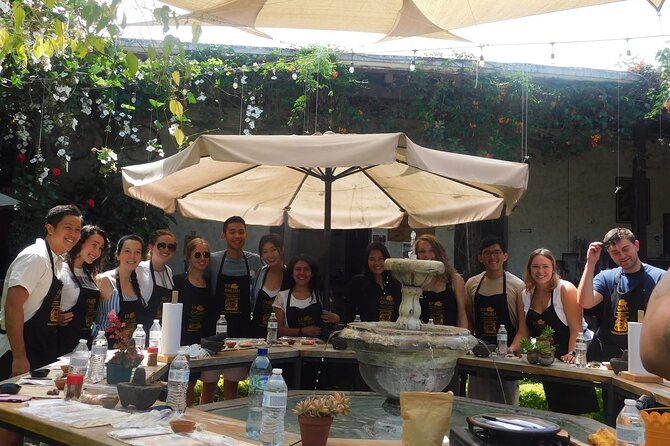
The maximum group size is 18. That is not a private lesson, but it keeps the workshop manageable and allows each person to handle beans and chocolate. If you want the most direct contact with the instructor, arrive ready to take part rather than hang back.
More things to do in Antigua Guatemala:
- From Antigua: Adventure, 2-Day Hiking to Acatenango Volcano
★ 4.4 · 1,189 reviews - From Antigua: Pacaya Volcano Tour in English/Spanish
★ 4.5 · 930 reviews - From Antigua: Pacaya Volcano Trek
★ 4.4 · 798 reviews
Learning how cacao became chocolate
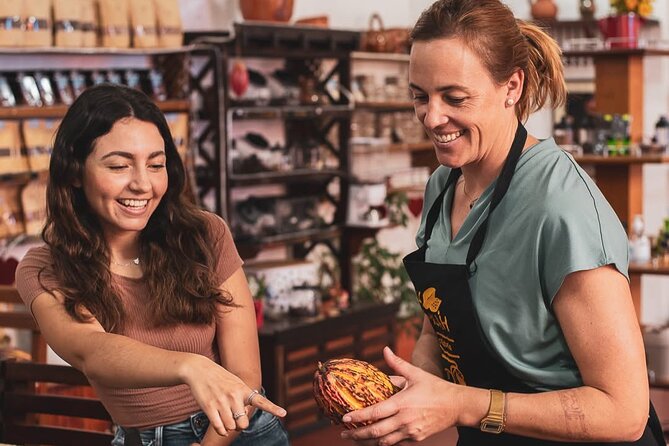
The class opens with the history and process of chocolate making, including the influence of Maya culture. This part matters because cacao was not always the sweet bar you know today. The workshop places the ingredient in its earlier cultural setting before showing how European tastes changed the way it was served.
You will hear about the cacao fruit and how its use developed into the many forms of chocolate now sold around the world. The lesson then connects those changes to the drinks you prepare later, making the history easier to remember than a talk that stays entirely on dates and names.
This is also the part most likely to shape your opinion of the class. Several visitors found the history entertaining and useful, especially with energetic guides such as Jessica and Ricky. One practical note: Jessica has been described as speaking a little fast. If English is not your first language, or if you prefer a slow lecture, pay close attention and ask for clarification when needed.
The class is intended to be lively, but the historical explanation takes a noticeable share of the 90 minutes. One person found the talk too long and expected more actual making. That is a fair warning. You should book this as a chocolate education with hands-on work, not as a nonstop kitchen session.
Roasting cacao beans and removing the husks
After the introduction, you roast cacao beans and remove the husks yourself. This is one of the most useful parts of the workshop because it shows how much work lies between a cacao bean and the chocolate in a shop window.
Dehusking is a small task, but it changes the way you think about the ingredient. You handle the bean, separate the husk, and see the material that will be ground into a chocolate mixture. The activity is simple enough for children and first-time cooks, yet concrete enough to keep adults involved.
The husks do not go to waste. You use them to prepare a hot cacao infusion. That gives you a chance to taste a less familiar part of the cacao bean instead of treating the discarded husk as rubbish.
I like this stage because it makes the workshop more than a tasting. You are not simply handed finished chocolate and told where it came from. You get to roast, touch, separate, and grind the ingredient in a basic form.
Still, keep your expectations realistic. The class offers an abbreviated introduction to making chocolate. It does not appear to cover every technical stage involved in fermenting, drying, refining, tempering, or producing commercial bars. For most visitors, that is a sensible choice within a 90-minute format.
Grinding beans for an old-style cacao drink
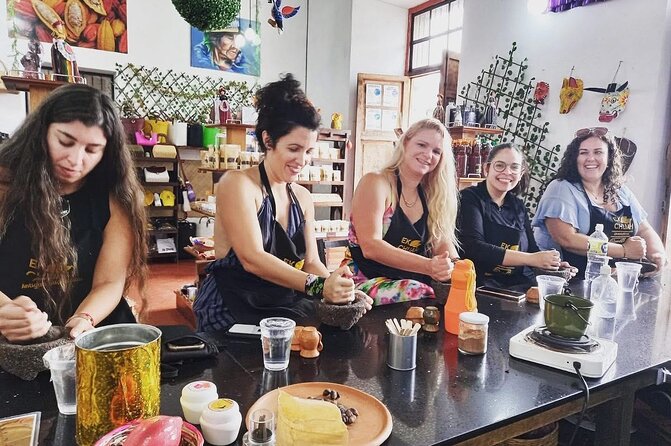
The roasted beans are crushed and ground, then collected to make a drink in the style associated with Maya cacao preparation. The drink includes honey, chili, and a secret ingredient.
This combination gives the class one of its more distinctive moments. The honey adds sweetness, while the chili pushes the drink away from the familiar taste of milk chocolate. The result helps you understand that cacao was not always meant to taste like candy.
You also prepare the husk infusion, which offers another way to experience the cacao plant. Comparing the infusion with the ground-bean drink gives you a better sense of how different parts of the same ingredient can produce different flavors.
The guide-led format is useful here. You are shown what to do instead of being left to guess how much to grind or how to combine the ingredients. The class is designed to keep you moving through several stages, so expect instruction, participation, and tasting rather than a long period of independent cooking.
If you prefer very sweet drinks, the Maya-style preparation may be a surprise. Honey softens it, but chili remains part of the character. The unusual flavor is part of the point, and it gives the session more cultural meaning than another ordinary cup of hot cocoa.
More chocolate and cacao trips in Antigua Guatemala:
- Bean-to-Bar Chocolate Workshop in ChocoMuseo Antigua
★ 5.0 · 353 reviews - Private Chocolate Tasting Experience in Guatemala
★ 5.0 · 9 reviews - Guatemalan Bean to Bar, Ceremonial Cacao and Chocolate Experience
★ 5.0 · 8 reviews - Chocolate workshop; gastronomic experience of cocoa.
★ 5.0 · 7 reviews
Comparing Maya and European chocolate drinks
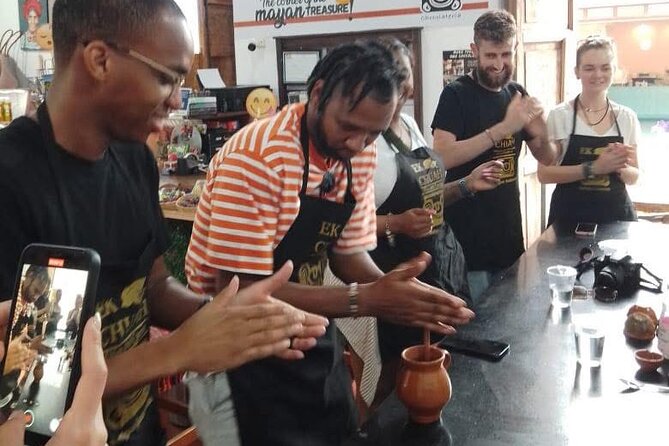
The second prepared drink represents the way chocolate was enjoyed in Europe in earlier times. It uses milk, cinnamon, and cloves.
This contrast is one of the strongest teaching tools in the class. The first drink emphasizes cacao with honey and chili. The European-style drink moves toward the warm, spiced, milk-based profile many people now connect with hot chocolate.
You can taste how ingredients change the role of cacao. In one cup, cacao is bold and savory-leaning. In the other, milk and spices make it softer and more familiar. The comparison also gives the history lesson a practical purpose. You are not just hearing that European tastes changed chocolate. You are drinking an example of that change.
The two drinks add value to the ticket because they are not simply extra refreshments. They show how preparation and cultural preference shape flavor. If you are visiting Antigua with children, this portion may be especially appealing, since it turns a history topic into something they can taste.
The activity does not promise an unlimited amount of either drink, so think of them as guided samples within the lesson. The focus is comparison, not a full café stop.
Tasting chocolate from 100 percent cacao to white
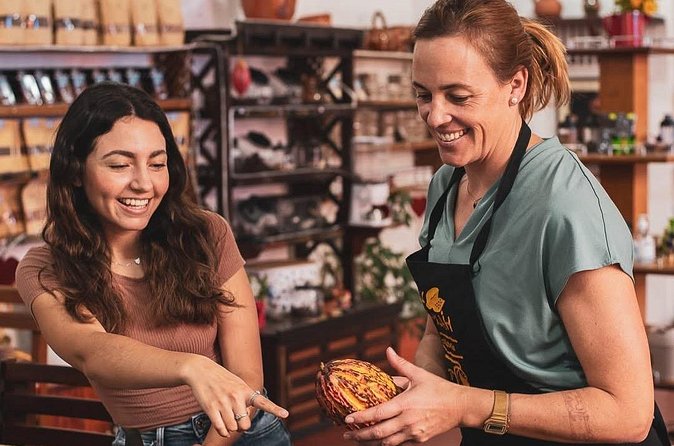
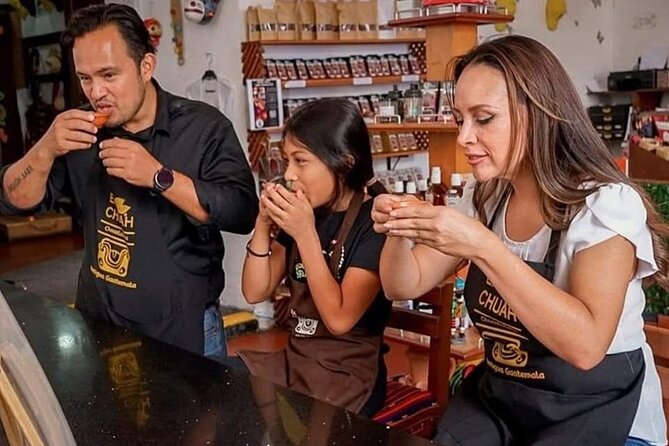
Next comes a structured chocolate tasting. You sample varieties ranging from 100 percent cacao to 90, 80, and 70 percent chocolate, followed by milk and white chocolate.
This progression is a good way to learn how sweetness changes your perception of cacao. The 100 percent sample is the sternest of the group, while the lower cacao percentages move toward a sweeter taste. Milk and white chocolate complete the range, giving you a clear contrast between intense cacao flavor and confectionery sweetness.
I like this part because it gives you a simple reference point. After tasting several percentages side by side, you can better understand why a bar labeled 70 percent tastes different from one labeled 90 percent. You do not need prior chocolate knowledge to follow the sequence.
The tasting also works well for mixed groups. A serious dark-chocolate fan can focus on the high-cacao samples, while someone who prefers sweeter chocolate can compare the milk and white options. You are not required to pretend that the strongest chocolate is automatically the best. The useful question is which balance you prefer.
This is another reason the workshop suits a short stay in Antigua. You receive a broad introduction without committing half a day to a food tour. At the same time, anyone hoping for a large tasting plate or a technical lesson on chocolate grading may find the selection more introductory than advanced.
Molding 70 grams of chocolate into bonbons
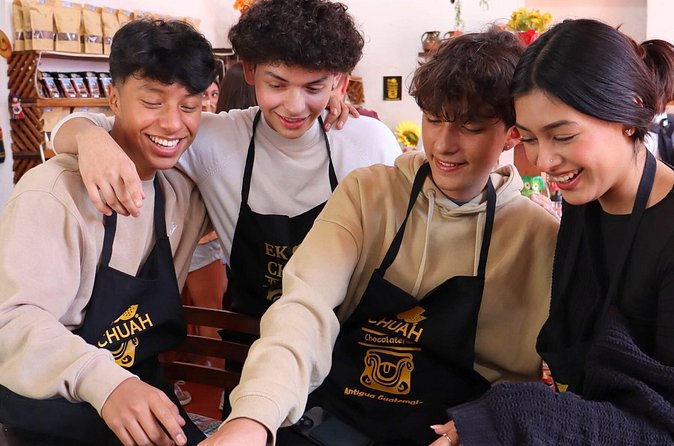
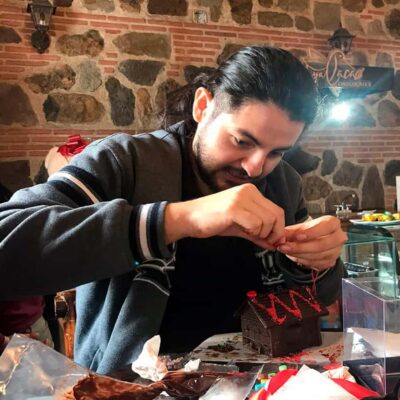
The final making session gives each participant 70 grams of melted chocolate to pour into molds. You can add different toppings and create your own small bonbons.
This is the most obvious souvenir of the class. You are not only learning about chocolate and tasting several forms of it. You leave with something you made during the workshop, assuming the bonbons have had enough time to set according to the class process.
The topping choice gives you a little creative control. The activity remains guided, so you do not need professional candy-making skills. That makes it suitable for families and for anyone who wants a fun food activity rather than a serious culinary qualification.
One important distinction: this is closer to molding and decorating than to making chocolate entirely from raw cacao. That explains why one participant felt the experience was more about pouring chocolate than true chocolate making. If your main goal is to learn tempering, bean fermentation, or professional confectionery methods, this will likely feel basic.
For a first introduction, though, the format makes sense. You learn the background, handle beans, taste the drinks and chocolate, then finish with an activity that produces a small edible keepsake. The class saves the most playful part for the end.
Jessica, Ricky, and the energy of the class
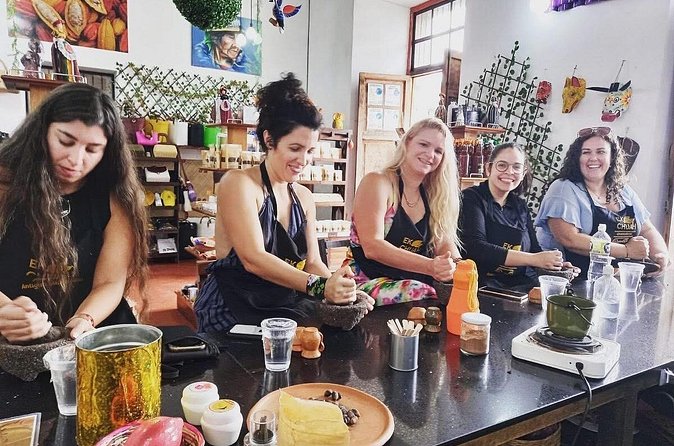
The instructor can make or break a short workshop. Jessica is repeatedly described as friendly, funny, energetic, and well prepared for the subject. Ricky is also praised for keeping the session entertaining and guiding people through the process.
That energy matters because the class combines a history talk with several demonstrations. A dry presentation could make 90 minutes feel long. An upbeat guide helps the material move along and encourages people to taste and participate.
You should also know that an energetic presentation may not suit everyone. Jessica can speak quickly, and the class includes a substantial amount of explanation. If you want quiet, slow-paced instruction, this may not be your ideal food activity. If you enjoy humor, group participation, and a guide who keeps things moving, the style should fit well.
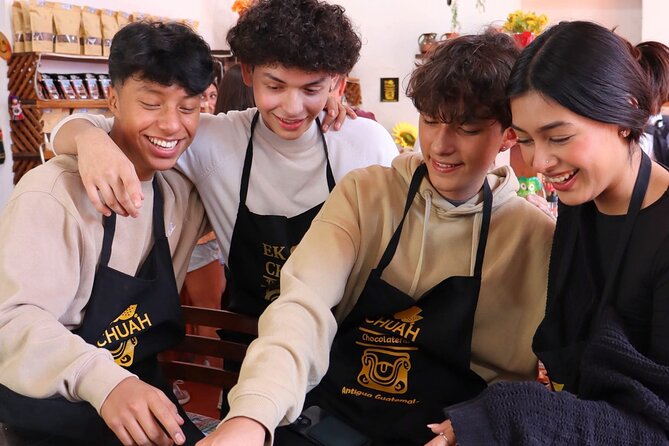
The mix of people can add to the fun. The class brings together solo visitors, couples, families, and friends from different parts of the world. That makes it a social activity without requiring you to arrive with a group of your own.
Who will get the most from this Antigua activity
I would recommend this workshop to several kinds of visitors:
- First-time chocolate learners: You get the basic story, process, tasting vocabulary, and a simple making activity in one sitting.
- Families: The bean handling, drinks, tastings, and molded candies give children several ways to stay involved.
- Solo visitors: The group format and friendly instructors make this an easy social stop.
- Couples and friends: The tasting comparison and topping session create a light shared activity.
- Food-focused visitors: You can explore cacao beyond the standard sweet bar and see how preparation changes the flavor.
I would be more cautious if you want advanced chocolate instruction. The class does not appear to be designed for experienced confectioners. Its strength is accessibility, cultural context, and variety.
The 90-minute length also works well around sightseeing in Antigua. You can fit it into a morning or afternoon without giving up an entire day. Since it begins and ends at the same meeting point, the schedule is simple.
Booking, timing, and cancellation details
The activity is commonly booked about nine days ahead, which suggests that planning early is sensible if your Antigua dates are fixed. The maximum is 18 people, so the class is not unlimited in size.
Confirmation is provided at booking. You can cancel for a full refund up to 24 hours before the start time. Cancellations or changes made less than 24 hours ahead are not accepted for a refund, and the cut-off follows local time.
The activity is near public transportation, and service animals are allowed. No separate return transfer is needed because you finish at SKÅL Antigua.
Should you book Discover Chocolate Making in Antigua?
Book it if you want a reasonably priced, social introduction to cacao with real tasting and some hands-on work. The best parts are the Maya-style drink with honey and chili, the comparison with the milk and spice-based European drink, the range from 100 percent cacao to white chocolate, and the 70 grams of molded chocolate you make at the end.
Think twice if you expect to produce chocolate entirely from raw beans or spend most of the session cooking. The history section is important, but it takes time, and one person found it too much like a lecture. Jessica and Ricky keep the mood light, yet Jessica may speak quickly.
For most visitors, I see this as a worthwhile Antigua activity, especially on a rainy day or when you want a break from churches, ruins, and city walks. It is short, affordable, and more informative than a simple candy tasting. Go in expecting an engaging cacao workshop, not a professional chocolatier course, and the experience should deliver good value.
FAQ
How long does the chocolate workshop last?
The activity lasts approximately 1 hour and 30 minutes.
How much does the experience cost?
The price is $25 per person.
Where does the workshop begin and end?
It begins at SKÅL Antigua, 4a Calle Oriente 14a, Antigua Guatemala. The activity ends back at the same meeting point.
What drinks do participants make?
You make a hot cacao husk infusion and a cacao drink with honey, chili, and a secret ingredient. You also make a drink with milk, cinnamon, and cloves in the European style.
How much chocolate can each participant mold?
Each participant receives 70 grams of melted chocolate to mold into bonbons. Different toppings can be added.
What is the cancellation policy?
You can cancel at least 24 hours before the start time for a full refund. Cancellations or changes made less than 24 hours before the start time are not accepted for a refund.
Just added in Antigua Guatemala
- Full day Antigua Guatemala from Quetzal Port★ 4.5 · 7 reviews
- Private transfer from Panajachel to Antigua Guatemala★ 5.0 · 2 reviews
- Guatemala Airport Roundtrip Transfer to Antigua Guatemala★ 3.5 · 5 reviews
- Colonial Antigua Guatemala walking tour & Hot Springs from Guatemala City★ 3.0 · 2 reviews
- Antigua Guatemala Full Day Tour★ 3.0 · 2 reviews
- Visit Antigua Guatemala and its colorful towns around – Private full-day tour★ 4.5 · 4 reviews
- Airport Transfer to Antigua Guatemala★ 3.0 · 2 reviews
- Iximché : Spiritual Ritual with a Mayan Priest★ 5.0 · 1 review
Dessert Tours, compared.
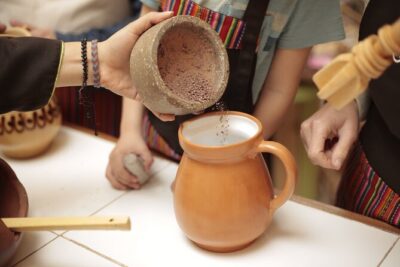
Bean-to-Bar Chocolate Workshop in ChocoMuseo Antigua
Read our review →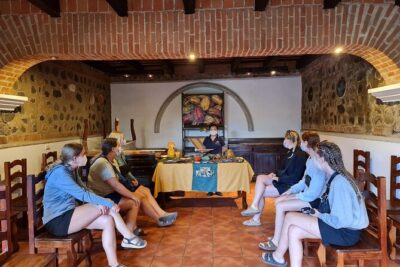
Private Chocolate Tasting Experience in Guatemala
Read our review →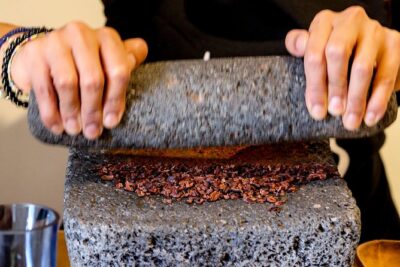
Guatemalan Bean to Bar, Ceremonial Cacao and Chocolate Experience
Read our review →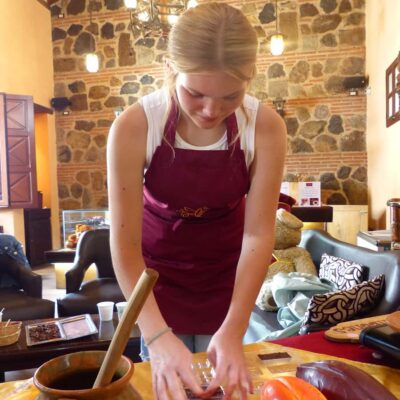
Chocolate workshop; gastronomic experience of cocoa.
Read our review →
Chocolate and wine by ATV or UTV in Antigua Guatemala
Read our review →
Antigua Coffee and Chocolate experience from Quetzal Port
Read our review →Browse the lists this tour appears in